Anthropic Consolidates AI Experience
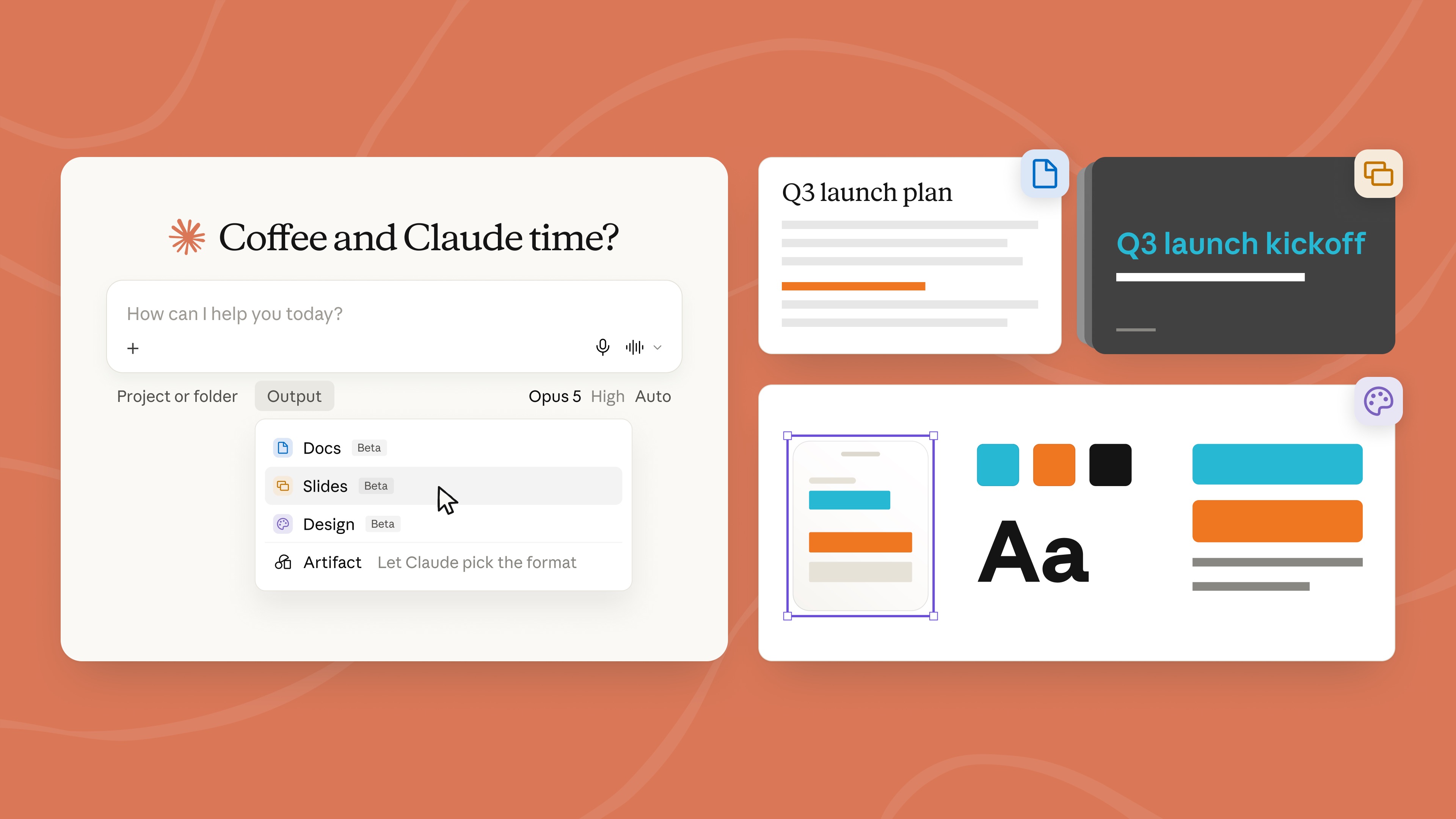
Anthropic has taken a significant step in streamlining its AI assistant by merging its distinct Claude chat interface with its collaborative workspace tool, Cowork, into a single, unified product now simply branded as Claude. This integration aims to eliminate the friction of context switching and repeated information input, allowing users to maintain a continuous, coherent interaction with the AI across different use cases.
The move addresses a common pain point for advanced AI users: the need to re-brief the AI on project details, preferences, or past discussions every time a new chat session begins or a different workspace is accessed. By creating a shared memory, Anthropic ensures that the AI understands the ongoing context of a user's work, regardless of whether they are engaging in a direct Q&A or a more structured collaborative project.
This unification is more than just a cosmetic change; it represents a fundamental shift in how users can leverage Claude. Previously, users might have used the chat interface for quick queries and then manually transferred relevant information to Cowork for more involved tasks. Now, the AI's understanding flows seamlessly between these modes of interaction. Think of it less like using two separate tools and more like having a single, highly organized assistant who remembers every conversation and project detail you've ever shared, without needing constant reminders.
Persistent Context Across Workflows
The core of this update lies in Claude's enhanced memory capabilities. Previously, conversations within the chat interface and projects within Cowork were siloed. If a user discussed a marketing strategy in chat, they would have to re-explain the core tenets of that strategy when starting a new project in Cowork. This was particularly cumbersome for ongoing projects that required iterative development and frequent AI consultation.
With the new unified Claude, this is no longer the case. The AI now maintains a persistent memory of user inputs, project parameters, and conversational history. This means that when a user transitions from a general chat about a topic to initiating a project related to that topic within the same Claude environment, the AI already possesses the necessary background information. This significantly reduces the overhead for users, allowing them to focus on their tasks rather than on managing the AI's state of knowledge.
This persistent context is crucial for complex tasks such as coding, content creation, and strategic planning. Developers can discuss code snippets, ask for debugging help, and then seamlessly transition to a collaborative coding session within the same interface, with Claude remembering the specific libraries, functions, and errors discussed. Similarly, writers can brainstorm ideas in chat and then move to drafting content with Claude already aware of the desired tone, audience, and key messaging points.
Rollout and Availability
Anthropic is initially making these integrated features available to subscribers of its Pro and Max plans. This tiered rollout strategy is common for advanced AI platforms, allowing the company to gather feedback from power users and refine the experience before a broader public release. The Pro and Max plans typically offer enhanced features, higher usage limits, and priority access, making them the natural starting point for such a significant product evolution.
The decision to offer this unification to paying customers first suggests that the underlying memory and context management technology is computationally intensive or represents a significant investment in R&D. It also aligns with Anthropic's strategy of providing premium AI experiences for professionals and businesses who rely on these tools for critical workflows. For developers and founders, this means that the most advanced and integrated version of Claude is currently accessible to those already invested in the platform's higher tiers.
Implications for AI Collaboration
The consolidation of chat and workspace functionalities into a single Claude experience marks a notable trend in the AI landscape: the move towards more integrated and context-aware AI assistants. As AI models become more capable, the emphasis is shifting from standalone chatbots to comprehensive productivity platforms. This unification by Anthropic positions Claude as a more central tool for daily work, blurring the lines between conversational AI and specialized productivity software.
Competitors will likely face pressure to offer similar levels of context persistence and cross-functional integration. The ability for an AI to remember user intent and project history across different interaction modalities is becoming a key differentiator. For users, this means a more intuitive and efficient AI experience, reducing the cognitive load associated with managing multiple AI tools or sessions. The surprise here is not that Anthropic is improving context handling, but the completeness of the integration, merging two distinct product lines into one cohesive offering, signaling a clear strategy to own more of the user's AI-driven workflow.
What remains to be seen is how Anthropic will scale this persistent memory feature. As user histories and project data grow, maintaining seamless performance and managing data privacy will become increasingly critical challenges. The success of this unified Claude will hinge on its ability to deliver consistent, reliable context awareness without introducing performance degradation or new security vulnerabilities.