%22%20%2F%3E%0A%20%20%3C%2Fsvg%3E)
Bipartisan Backlash Against Flock AI Cameras
Americans across the political spectrum are voicing strong opposition to the widespread deployment of Flock AI surveillance cameras, citing significant privacy concerns, potential for misuse, and a lack of transparency. Despite the technology's stated purpose of aiding law enforcement and enhancing public safety, the rapid proliferation of these AI-powered devices has ignited a firestorm of resistance, uniting individuals who typically hold divergent views on government surveillance.
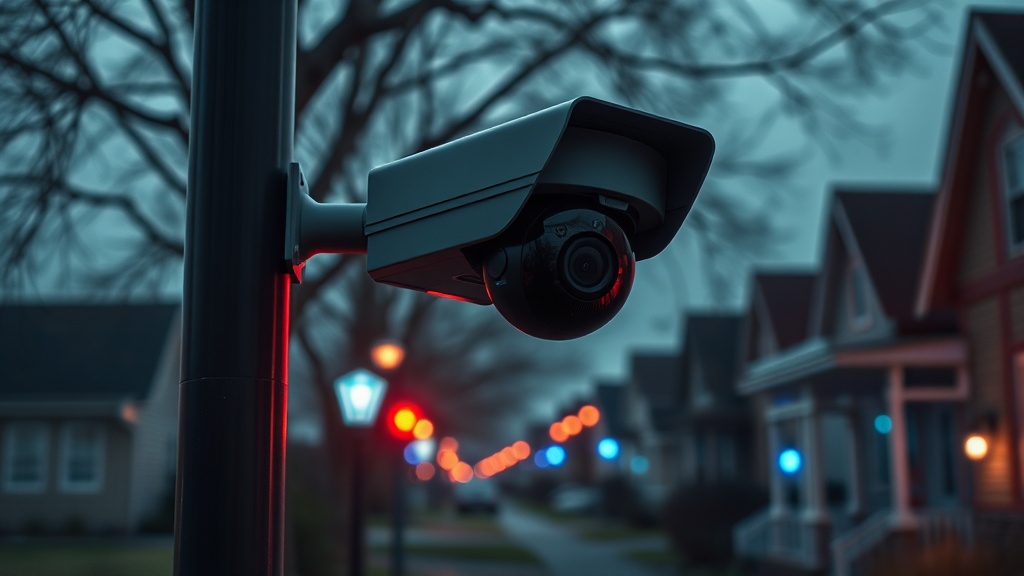
Flock Group, the company behind these cameras, markets its products as a tool to help police solve crimes by capturing license plate data and vehicle information. The cameras are often deployed in residential neighborhoods, with homeowners associations or local governments purchasing them and granting access to law enforcement. While proponents argue they are a crucial asset for crime prevention and investigation, critics contend that the technology creates a pervasive surveillance network that erodes civil liberties. This growing unease is not confined to a specific political ideology; rather, it represents a shared concern for personal privacy and data security that transcends partisan divides.
The core of the controversy lies in the extensive data collection capabilities of Flock cameras. These devices are designed to capture images of vehicles, log license plate numbers, and store this information in a cloud-based system. Law enforcement agencies can then query this database for vehicles associated with criminal investigations. However, the sheer volume of data collected, including information on innocent citizens, has raised alarms. The potential for this data to be accessed, misused, or fall into the wrong hands is a primary driver of the public's pushback.
Privacy and Data Security Concerns Take Center Stage
Civil liberties advocates and concerned citizens point to several key issues that fuel their opposition. Firstly, the lack of robust data protection measures and clear policies regarding data retention and access is a major red flag. While Flock Group asserts that data is secured and only accessible to authorized personnel for legitimate law enforcement purposes, the specifics of these protocols often remain opaque. This ambiguity leaves room for potential breaches or unauthorized surveillance, turning a public safety tool into a potential instrument of mass monitoring.
The argument that these cameras are primarily for crime-solving is also being challenged. Critics question whether the benefits to law enforcement truly outweigh the erosion of privacy for ordinary citizens. The constant logging of vehicle movements, even for those not suspected of any wrongdoing, creates a digital footprint that could be exploited. This feeling of being perpetually watched, coupled with the knowledge that vast amounts of personal data are being stored, contributes to a sense of unease and distrust.
Furthermore, the purchasing and deployment model, where private entities like HOAs or local governments buy the cameras and provide access to police, bypasses some of the traditional oversight mechanisms that might apply to government-funded surveillance programs. This decentralized approach can make it more difficult for the public to understand the scope of surveillance in their communities and to hold entities accountable for data handling practices. The surprise element here is not the existence of surveillance technology, but the broad, bipartisan consensus forming against a specific, widely deployed product like Flock cameras, driven by a unified concern for privacy.
The Unanswered Question: Where Does the Data Go?
What remains largely unaddressed by Flock Group and its proponents is the long-term implications of amassing such extensive vehicle data. While the immediate focus is on crime-solving, the potential for this data to be used for other purposes—whether by future administrations, for commercial interests, or through data leaks—is a significant concern. The technological infrastructure for mass surveillance is being built, piece by piece, and the pushback against Flock cameras highlights a growing public awareness and resistance to this trend.
The company's marketing often emphasizes its commitment to privacy and security, but the technical details and safeguards are not always readily apparent to the average consumer or even to many elected officials making purchasing decisions. This information asymmetry allows the technology to be adopted rapidly, with the full extent of its implications only becoming clear later, often after significant public outcry. The narrative of enhanced public safety, while appealing, often overshadows the detailed discussions needed about data governance, consent, and the potential for mission creep.
The pushback isn't just about the cameras themselves; it's about the underlying philosophy of surveillance. As AI becomes more integrated into everyday technology, the lines between convenience, security, and privacy blur. Flock cameras represent a tangible manifestation of this trend, and the public's reaction suggests a growing desire to draw a firmer line, particularly when it comes to data collected on ordinary citizens without their explicit consent or full understanding. This sentiment is akin to finding out your friendly neighborhood watch program has started meticulously logging every car that drives by, not just suspicious ones, and storing that information indefinitely.
Implications for Technology Deployment and Public Trust
The widespread opposition to Flock AI cameras carries significant implications for how surveillance technologies are deployed in the future. It signals to technology companies that privacy concerns are not merely a niche issue but a mainstream consideration that can mobilize diverse groups of people. For law enforcement agencies, it suggests a need for greater transparency and community engagement when adopting new surveillance tools. The bipartisan nature of this opposition is particularly noteworthy, indicating that concerns about government overreach and data privacy are not solely the domain of one political party.
As more communities grapple with decisions about adopting Flock or similar technologies, the public's growing awareness and organized resistance will likely play a crucial role. The debate over Flock cameras is a microcosm of a larger societal conversation about the balance between security and liberty in an increasingly digitized world. The path forward will require not only technological solutions but also clear ethical guidelines, robust legal frameworks, and a commitment to open dialogue between technology providers, law enforcement, and the public they serve.