The Role of Alpha Testing in Software Development
Alpha testing is a critical phase in the software development lifecycle (SDLC) that occurs after internal development and initial testing, but before the software is released to external users for beta testing or general availability. Its primary purpose is to identify and fix bugs, usability issues, and performance problems in a controlled, internal environment. This phase ensures that the product is stable and functional enough for a wider, albeit still curated, audience to test.
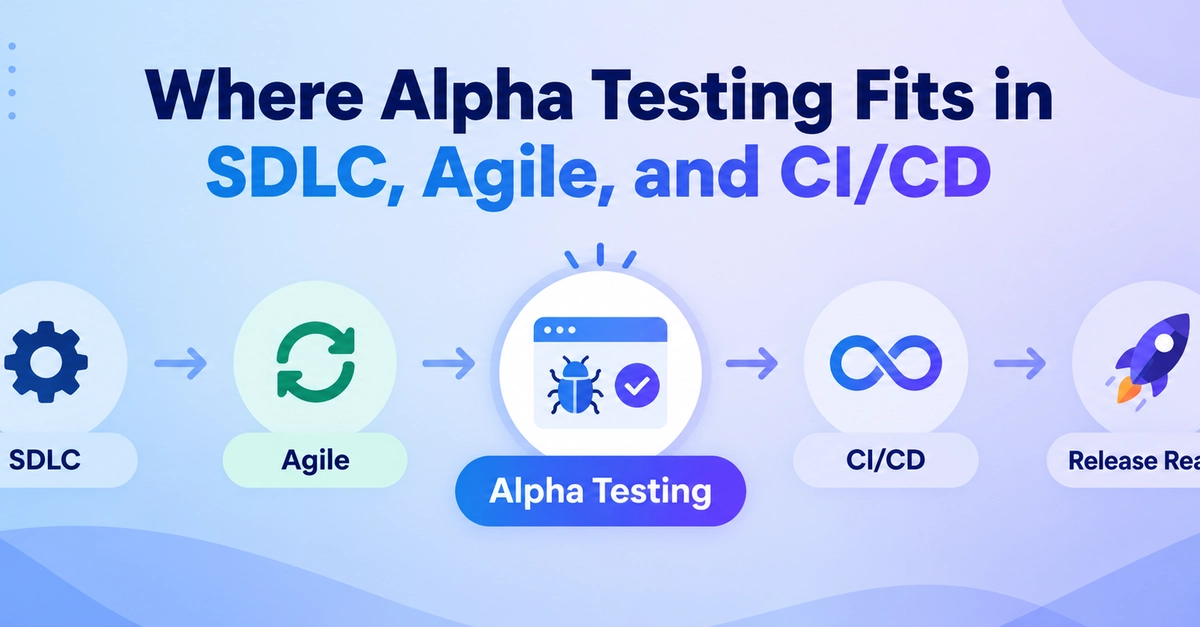
The exact timing and execution of alpha testing can vary significantly based on the development methodology employed. In traditional, sequential SDLC models, alpha testing is typically a well-defined, distinct stage. However, in more iterative and continuous development approaches like Agile and Continuous Integration/Continuous Deployment (CI/CD), its integration looks different, often becoming a more fluid checkpoint within the development pipeline.
Alpha Testing in Traditional SDLC
In a traditional Software Development Life Cycle, processes are often structured into sequential stages, with clear entry and exit criteria for each. A simplified representation of this flow might look like:
Requirements → Development → Unit Testing → Integration Testing → System Testing → Alpha Testing → Beta Testing → Release
Alpha testing generally commences after the major system-level issues have been resolved. By this point, individual software components should be working correctly, integrations between these components should be functional, and the application as a whole should be stable enough to undergo rigorous internal scrutiny. The goal here is not to find fundamental architectural flaws, but rather to refine the product, eliminate remaining critical bugs, and ensure it meets the initial specifications before it moves to the next phase of external validation.
The team responsible for alpha testing is typically internal, consisting of dedicated QA engineers, product managers, or even developers themselves. They simulate real-world usage scenarios to uncover defects that might have been missed during earlier testing phases. This internal focus allows for rapid feedback loops and quick remediation of issues, as the testing and development teams are often co-located or work closely together.
Alpha Testing in Agile Methodologies
Agile methodologies, such as Scrum or Kanban, emphasize iterative development, flexibility, and continuous feedback. In an Agile environment, the rigid, distinct stages of a traditional SDLC are replaced by shorter development cycles called sprints. This means that alpha testing, rather than being a single, late-stage event, can be integrated differently.
Instead of a final alpha testing phase, Agile teams often incorporate internal testing checkpoints at the end of each sprint or iteration. As new features are developed and integrated, they are immediately subjected to internal testing. This could include functional testing, integration testing, and even a form of 'mini' alpha testing for the newly developed features. The product increment delivered at the end of each sprint is expected to be potentially shippable, meaning it has passed internal quality gates.
This approach allows for early detection of defects and usability issues related to new functionalities. The feedback gathered during these internal checkpoints is then used to inform the next sprint. While a formal, comprehensive alpha testing phase might still occur before a major release or before handing off to external beta testers, the principles of continuous internal validation are embedded throughout the development process. This contrasts sharply with the traditional model where testing is a bottleneck towards the end of the cycle.
Alpha Testing in CI/CD Pipelines
Continuous Integration and Continuous Deployment (CI/CD) pipelines automate the software delivery process, enabling frequent and reliable releases. In a CI/CD context, alpha testing evolves into an automated or semi-automated internal quality gate within the pipeline itself.
When developers commit code, the CI/CD pipeline automatically triggers builds, runs unit and integration tests, and deploys the artifact to an internal testing environment. This environment serves as the staging ground for alpha testing. Automated tests, including regression tests, performance tests, and security scans, are executed. If the build passes these automated checks, it might then be made available to a select group of internal testers – QA engineers, product owners, or even a small, designated group of employees within the organization who can provide rapid feedback on the latest changes.
This internal release checkpoint acts as a sophisticated form of alpha testing. It's not a single event but a recurring step that happens with every significant code integration or before a release candidate is prepared. Think of it less like a formal stage and more like an automated bouncer at the door of your internal testing environment, checking credentials (test results) before letting new code in for a quick internal review. The goal is to catch issues as early as possible, ideally before they even reach the hands of external beta testers or customers. The feedback loop is extremely short, allowing for immediate fixes and redeployments.
Key Differences and Considerations
The fundamental difference lies in the timing and frequency. Traditional SDLC treats alpha testing as a distinct, late-stage phase. Agile integrates internal validation continuously within sprints. CI/CD automates and streamlines this internal validation as a recurring checkpoint within the delivery pipeline.
For organizations adopting Agile and CI/CD, the concept of a single, prolonged alpha testing period is largely superseded by continuous internal quality assurance. However, the *spirit* of alpha testing – ensuring internal stability and functionality before external exposure – remains paramount. It’s about establishing robust internal quality gates that are integrated seamlessly into the development workflow, rather than tacked on at the end.
The choice of methodology dictates how alpha testing is implemented, but its underlying objective – to provide a stable, well-tested product to external users – remains constant. Understanding these nuances is crucial for teams aiming to optimize their development and release processes.