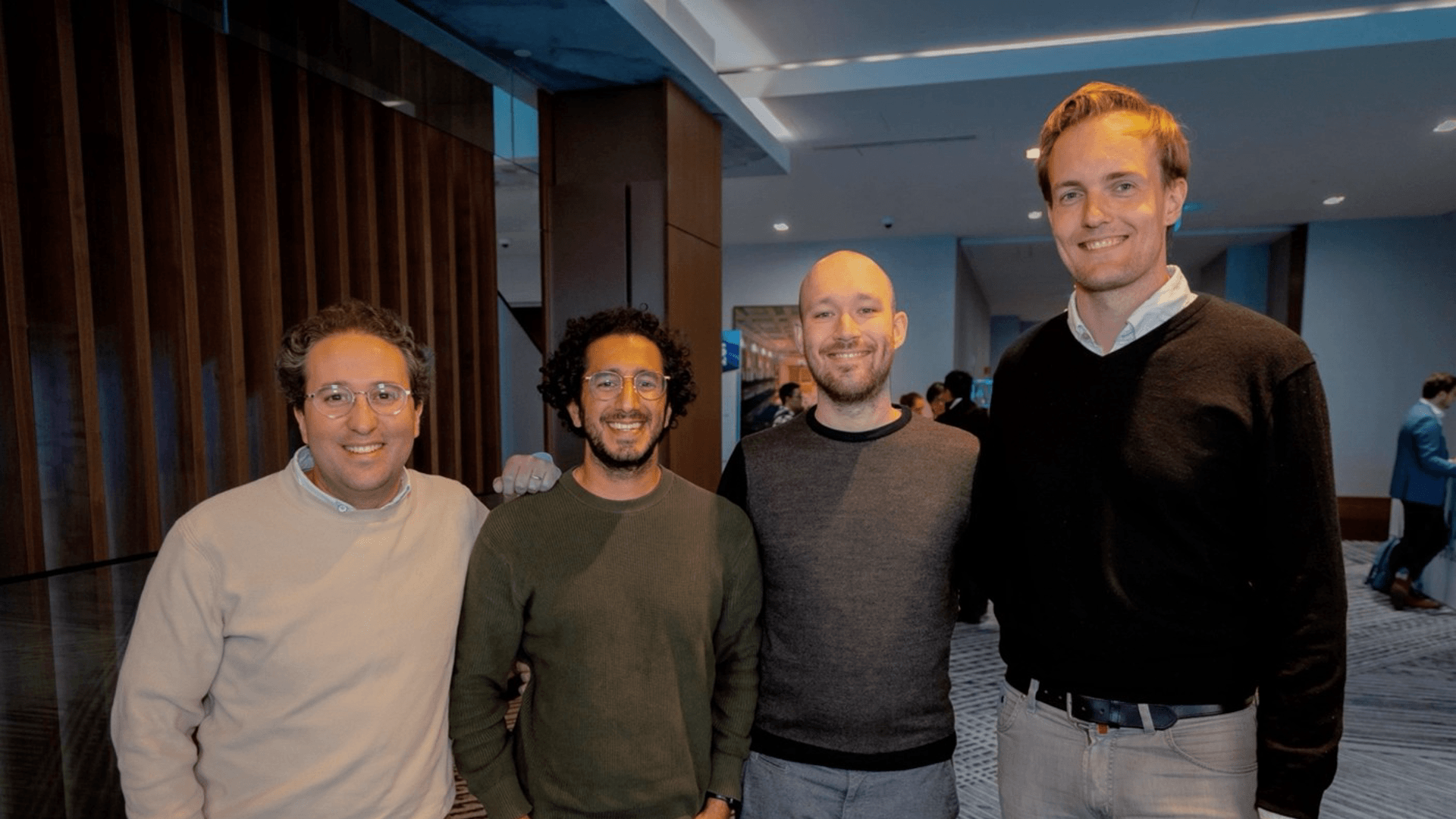
Venture Kick Funding Fuels ALP Bio's Safety Platform Development
ALP Bio, a Swiss biotechnology startup, has announced a funding round of €161,000 (CHF 150,000) from Venture Kick. This investment will be instrumental in advancing the commercial development of ALP Bio's innovative platform, designed to help drug developers proactively identify and mitigate immune-related risks associated with biologic medicines. The company's technology aims to significantly improve the safety profile of new therapies before they reach late-stage clinical trials and patient use.
Biologic medicines, which include treatments derived from living organisms such as antibodies, proteins, and vaccines, represent a rapidly growing segment of the pharmaceutical market. Their complexity, however, introduces unique challenges in predicting and managing potential adverse immune responses. These responses can range from mild allergic reactions to severe, life-threatening conditions like anaphylaxis or autoimmune disorders. Current methods for assessing these risks are often time-consuming, expensive, and may not fully capture the intricate immunological interactions that can occur in patients.
ALP Bio's platform addresses this critical unmet need. By leveraging advanced computational methods and proprietary biological assays, the startup's technology provides a more predictive and efficient way to flag potential immunogenicity issues early in the drug discovery and development pipeline. This proactive approach has the potential to de-risk the development process, saving pharmaceutical companies considerable time and financial resources that would otherwise be spent on late-stage failures or managing unexpected side effects.
The Challenge of Immunogenicity in Biologics
The development of biologic drugs has revolutionized treatment for numerous diseases, from cancer to autoimmune disorders. However, the very nature of these complex molecules, often proteins or antibodies designed to interact with the human immune system, means they can inadvertently trigger unwanted immune reactions. This phenomenon, known as immunogenicity, can lead to several problems:
- Reduced Efficacy: The patient's immune system may develop antibodies against the therapeutic protein itself, neutralizing its intended effect and rendering the treatment ineffective.
- Adverse Reactions: The immune response can manifest as side effects, ranging from infusion reactions and skin rashes to more severe systemic issues like cytokine release syndrome or autoimmune complications.
- Development Delays and Costs: Identifying and managing immunogenicity late in the development cycle can lead to significant delays, costly redesign of the drug candidate, or even outright project termination.
Traditional methods for assessing immunogenicity often rely on in vitro assays that may not fully replicate the complex in vivo environment or on animal models that do not always accurately predict human responses. The challenge for drug developers is to find reliable predictive tools that can be integrated early in the discovery phase, allowing for informed decisions about which drug candidates to advance.
ALP Bio's Predictive Platform
While specific technical details of ALP Bio's platform are proprietary, the company's focus on early identification suggests a multi-pronged approach. This likely involves a combination of sophisticated data analysis and targeted experimental validation. The platform aims to:
- Analyze Molecular Properties: Assess the inherent characteristics of the biologic molecule that might predispose it to being recognized as foreign by the immune system. This could involve analyzing amino acid sequences, structural motifs, and post-translational modifications.
- Predict T-cell Epitope Presentation: Identify specific regions on the biologic molecule (T-cell epitopes) that are likely to be presented by antigen-presenting cells, initiating an immune response.
- Model Immune System Interactions: Utilize computational models to simulate how the drug candidate might interact with various components of the immune system, including different immune cell types and signaling pathways.
- Integrate Experimental Data: Complement computational predictions with data from targeted in vitro assays designed to confirm or refute potential immunogenic liabilities.
The €161,000 investment from Venture Kick is crucial for ALP Bio to move from its current development stage towards broader commercialization. This funding will likely support key activities such as scaling up operations, further refining the platform's predictive accuracy, building out a robust data infrastructure, and initiating partnerships with pharmaceutical and biotechnology companies. Securing early-stage funding from an investor like Venture Kick, known for supporting innovative Swiss startups, signals confidence in ALP Bio's technology and its market potential.
Referenced Sources
- verified