The End of the 'Bigger is Better' AI Playbook
For years, the AI industry's strategy was straightforward: scale up. The formula for progress was simple – train larger models, ingest more data scraped from the internet, and deploy more GPUs. Bigger models invariably meant better performance. This approach fueled rapid advancements and a seemingly endless cycle of innovation. Companies poured billions into acquiring more compute power and vast datasets, believing that sheer scale was the key to unlocking the next generation of AI capabilities.
However, this paradigm is showing significant cracks. Over the past few months, a quiet but fundamental shift is underway. The industry is encountering what many are calling a "scaling wall." This isn't a single barrier but a confluence of challenges. Firstly, we are facing a data scarcity issue. The readily available, high-quality human text data that fueled earlier models is becoming exhausted. This has led AI companies to explore increasingly obscure sources, like rummaging through rare book collections, to find new training material. Secondly, the economic reality of training massive, trillion-parameter models is hitting diminishing returns. The computational cost is escalating dramatically, while the performance gains from each incremental increase in size are shrinking.
The Rise of Test-Time Compute
The new meta emerging from these constraints is Test-Time Compute (TTC), also known as inference scaling or reasoning models. This represents a strategic pivot from optimizing model training to optimizing model execution. Instead of relying on an enormous, monolithic model to provide an instant, "gut reaction" answer, the industry is exploring ways to achieve comparable or superior results with smaller, more efficient models.
The core idea behind TTC is to grant a smaller model significantly more time to process and reason about a problem. While traditional approaches aim for near-instantaneous responses, TTC allows for extended computation periods – ranging from 30 seconds to several minutes, or even an hour, for particularly complex tasks. This extended "thinking" time enables the model to perform more sophisticated calculations, explore multiple reasoning paths, and arrive at a more nuanced and accurate output. Think of it less like a quick chatbot response and more like a highly specialized consultant given ample time to research and deliberate before delivering their final verdict. This approach fundamentally redefines the trade-off between model size and performance, prioritizing computational depth over breadth during inference.
The Economic Imperative: Compute as the New Oil
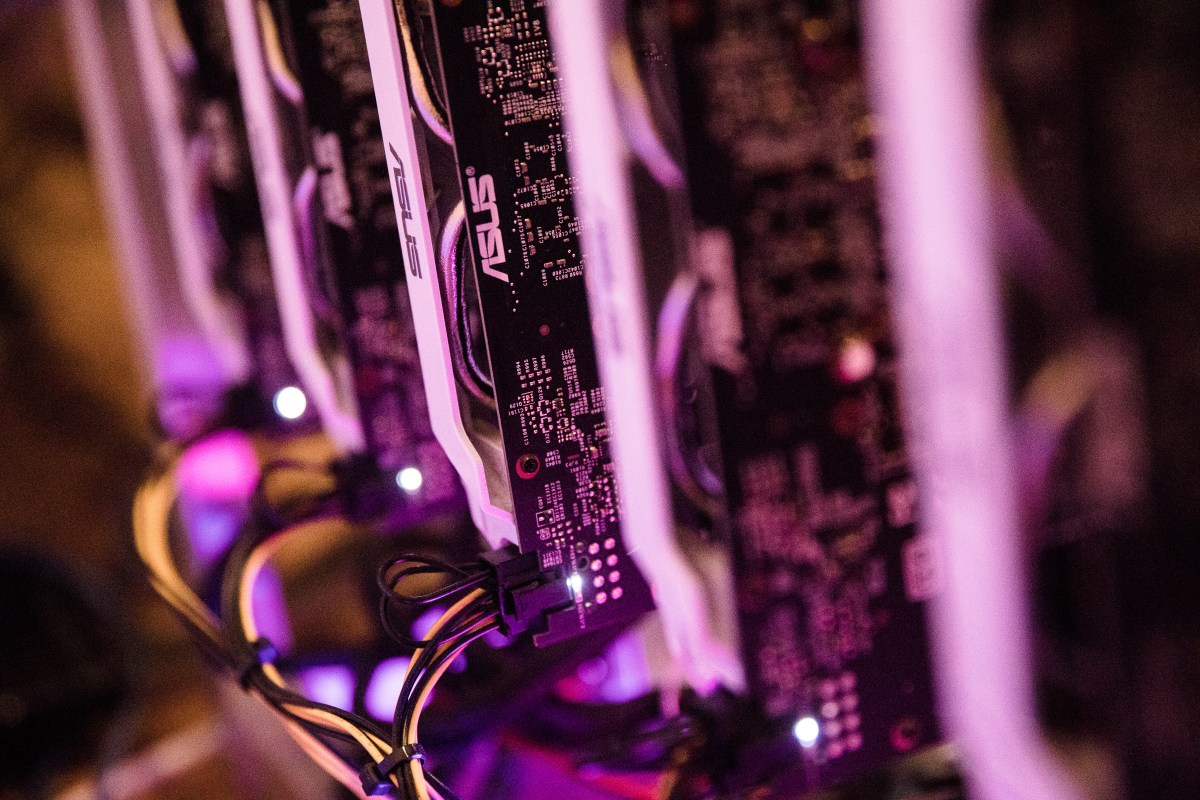
This strategic shift is underscored by the staggering economics of AI development. The AI buildout is showing no signs of slowing down, but the associated costs are astronomical. Hundreds of billions of dollars are being funneled annually into data centers and the procurement of GPUs. Compute power has unequivocally become the single most significant cost driver for any entity building AI products. Yet, for all this immense spending, a straightforward mechanism to accurately price compute – or for firms to hedge their exposure to its fluctuating costs – remains elusive. Startups like Silicon Data are emerging to address this gap, helping Wall Street firms understand and value AI compute as a critical asset class.
The immense capital expenditure on hardware and electricity means that optimizing inference is not just a technical challenge; it's a crucial business imperative. Companies that can achieve high-quality results with less compute, or by strategically allocating more time for inference, will gain a significant competitive advantage. This economic pressure is a powerful catalyst for the adoption of TTC and other inference optimization techniques. It forces a re-evaluation of where to invest: in ever-larger training models or in sophisticated inference strategies that leverage existing hardware more effectively.
Implications for the AI Landscape
The move towards Test-Time Compute has profound implications across the AI industry. For researchers and engineers, it means a renewed focus on algorithmic efficiency, search strategies, and computational reasoning techniques. Instead of chasing parameter counts, the frontier shifts to optimizing the inference process itself. This could spur innovation in areas like specialized hardware for inference, more efficient model architectures, and novel software frameworks designed for prolonged, intensive computation.
For businesses, the shift could democratize access to advanced AI capabilities. Smaller, more agile models that can achieve high performance through extended inference might become more accessible and affordable than their massive counterparts. This could lower the barrier to entry for startups and smaller companies, enabling them to deploy sophisticated AI solutions without the prohibitive upfront costs associated with training trillion-parameter models. However, this also introduces new complexities. Managing inference budgets and understanding the cost-performance trade-offs of extended computation will become critical operational challenges.
What nobody has addressed yet is the potential impact of TTC on AI latency-sensitive applications. While an hour of "thinking" might be acceptable for complex analysis or content generation, it's anathema for real-time systems like autonomous driving or high-frequency trading. The industry must now grapple with segmenting AI applications based on their tolerance for inference latency, developing distinct optimization strategies for each. The scaling wall isn't just about cost; it's about finding the right balance between intelligence, speed, and economic viability for every use case.