
The Unsung Roles of AI in Healthcare
The conversation around Artificial Intelligence in healthcare often gravitates towards its potential for diagnosing diseases, a high-stakes application that captures headlines. However, the true immediate utility of AI in the medical field may lie in less dramatic, yet profoundly impactful, applications. These are the AI tools that augment, rather than replace, human expertise, focusing on reducing cognitive load and administrative burdens for both clinicians and patients. Think of it less like a self-driving ambulance and more like an exceptionally diligent medical scribe and translator who never gets tired.
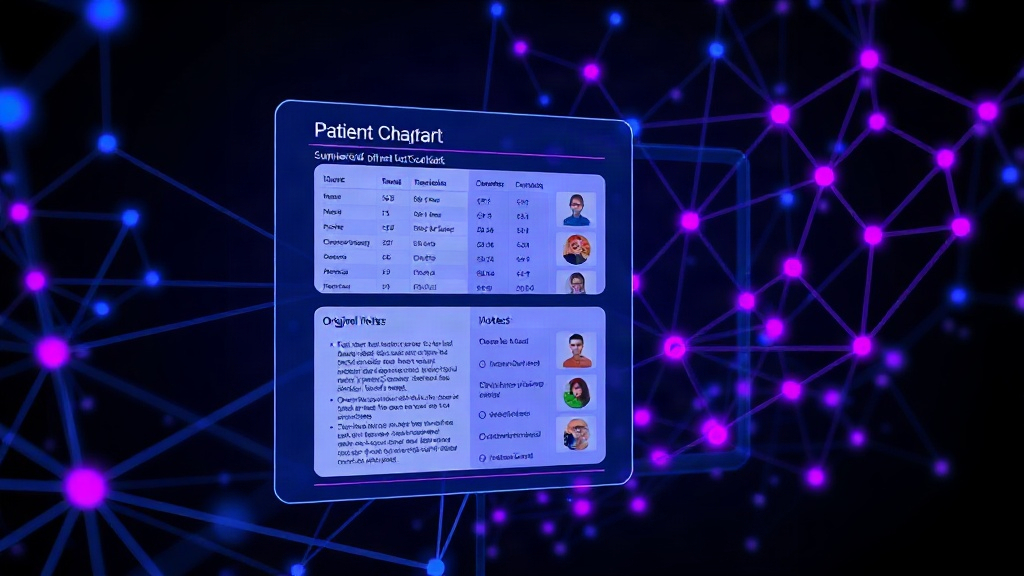
These less glamorous applications include summarizing lengthy clinical notes, translating complex medical jargon into patient-friendly language, identifying critical missing information in patient records, and significantly reducing the administrative overhead that consumes a substantial portion of healthcare professionals' time. These tasks, while not as sensational as autonomous diagnosis, are crucial for improving efficiency and patient care. By offloading these repetitive or time-consuming duties, AI can free up clinicians to focus on critical thinking, patient interaction, and complex decision-making.
The development of AI tools for these auxiliary roles is not without its challenges. Even a seemingly straightforward task like summarizing clinical notes carries inherent risks. An AI summary, however sophisticated, might inadvertently omit a critical detail that a human physician would instinctively recognize as important. Similarly, translating medical information, while beneficial for patient comprehension, can lead to misunderstandings if the nuances of language or cultural context are not perfectly captured. The danger of AI presenting information with a confident, authoritative tone can also lead to over-reliance, potentially eroding critical human judgment.
Balancing Augmentation with Authority
The most effective AI in healthcare may not be the system designed to mimic or replace a doctor's diagnostic capabilities. Instead, it is likely to be the AI that acts as an intelligent assistant, enhancing the capabilities of healthcare providers and empowering patients. The key lies in ensuring that these systems augment human decision-making rather than supplanting it. This means designing AI tools that reduce the overload on doctors and patients, making the healthcare process smoother and more efficient, while critically maintaining human responsibility for all significant clinical decisions.
This approach acknowledges the current limitations of AI, particularly in complex, nuanced medical scenarios where empathy, ethical judgment, and a deep understanding of individual patient context are paramount. AI can process vast amounts of data and identify patterns, but it lacks the lived experience and intuitive reasoning that seasoned clinicians possess. By positioning AI as a supportive tool, healthcare systems can leverage its computational power without compromising the essential human element of care.
Consider the administrative burden. Doctors spend a significant portion of their day on tasks like charting, billing, and managing electronic health records. AI can automate many of these processes, from transcribing patient encounters to pre-filling forms. This not only saves time but also reduces the risk of burnout among medical professionals, a growing concern in the industry. For patients, AI can help demystify their conditions and treatment plans, providing clear, concise information that enables them to be more active participants in their own care.
The Future: Collaborative Intelligence in Medicine
The future of AI in healthcare, therefore, is not one of autonomous medical robots making life-or-death decisions. It is a future of collaborative intelligence, where AI and human professionals work in tandem. AI can sift through massive datasets to identify potential drug interactions or predict patient readmission risks, flagging these for a doctor's review. It can help radiologists by highlighting suspicious areas on scans, allowing them to focus their attention more effectively. In mental health, AI chatbots can offer initial support or therapeutic exercises, but a human therapist remains essential for deeper engagement and personalized care.
This collaborative model ensures that the unique strengths of both AI and humans are utilized. AI's ability to process information at scale and identify subtle patterns complements human intuition, experience, and ethical reasoning. The critical factor is the design and implementation of these systems. They must be built with transparency, explainability, and robust safety protocols. Users must understand the AI's capabilities and limitations, and mechanisms must be in place to ensure that ultimate decision-making authority rests with a qualified human.
What remains to be seen is how healthcare systems will navigate the ethical and practical challenges of integrating these AI tools. Establishing clear lines of responsibility, ensuring equitable access to AI-enhanced care, and continuously validating AI performance in real-world clinical settings will be crucial. The goal is to harness AI's power to make healthcare more accessible, efficient, and effective, without sacrificing the trust and human connection that are at the heart of healing.