The Allure of Automation in Healthcare
The narrative surrounding Artificial Intelligence and robotics in healthcare often centers on efficiency gains and cost reduction. Proponents envision a future where automated systems handle tasks, freeing up human professionals and ultimately lowering operational expenses for clinics and hospitals. This vision, however, frequently clashes with the ground truth experienced by those working directly within the healthcare system, particularly in specialized fields like physical therapy. The optimistic projections of AI cost savings often fail to account for the unique demands and inherent unpredictability of patient care.
Consider the physical therapy clinic, a sector characterized by notoriously thin profit margins. The initial investment in advanced robotics and AI solutions can be staggering. Hardware alone for rehabilitation robotics often runs into six figures. This upfront cost is just the beginning. Beyond the purchase price, clinics must budget for ongoing maintenance contracts, essential software updates, robust liability coverage, and, critically, skilled personnel capable of operating and managing these sophisticated systems. When juxtaposed with the all-in hourly cost of a human physical therapist – estimated between $40 and $60 – the immediate financial advantage of AI appears dubious, especially when the AI doesn't fully replace the human but merely assists.
The argument for long-term cost-effectiveness, often cited in manufacturing contexts, hinges on factors like depreciation, elimination of sick days, and scalable operations without proportional hiring increases. These arguments hold water in environments characterized by high-volume, repetitive tasks within controlled settings. Manufacturing floors are predictable. A robot on an assembly line performs the same task, identically, thousands of times a day. Healthcare, conversely, is defined by its inherent variability. Patients are not interchangeable units. Their conditions, responses to treatment, and even their daily fluctuations introduce a level of unpredictability that current AI and robotics struggle to consistently manage. Edge cases, which are common rather than exceptional in clinical settings, require human judgment, adaptability, and empathy that machines currently lack.
When AI Doesn't Replace, It Adds
The core of the disconnect lies in the assumption that AI and robotics will function as direct replacements for human healthcare professionals. In reality, for many complex tasks, particularly those requiring nuanced interaction and adaptive problem-solving, these technologies serve as assistive tools. A physical therapist using a robotic exoskeleton to assist a patient with gait training still requires the therapist's expertise to guide the session, monitor the patient's response, adjust parameters in real-time, and provide crucial emotional support. This means the clinic incurs the cost of the advanced technology in addition to the cost of the skilled human professional. The promised cost savings are thus deferred, if they materialize at all, and the operational equation becomes more complex, not simpler.
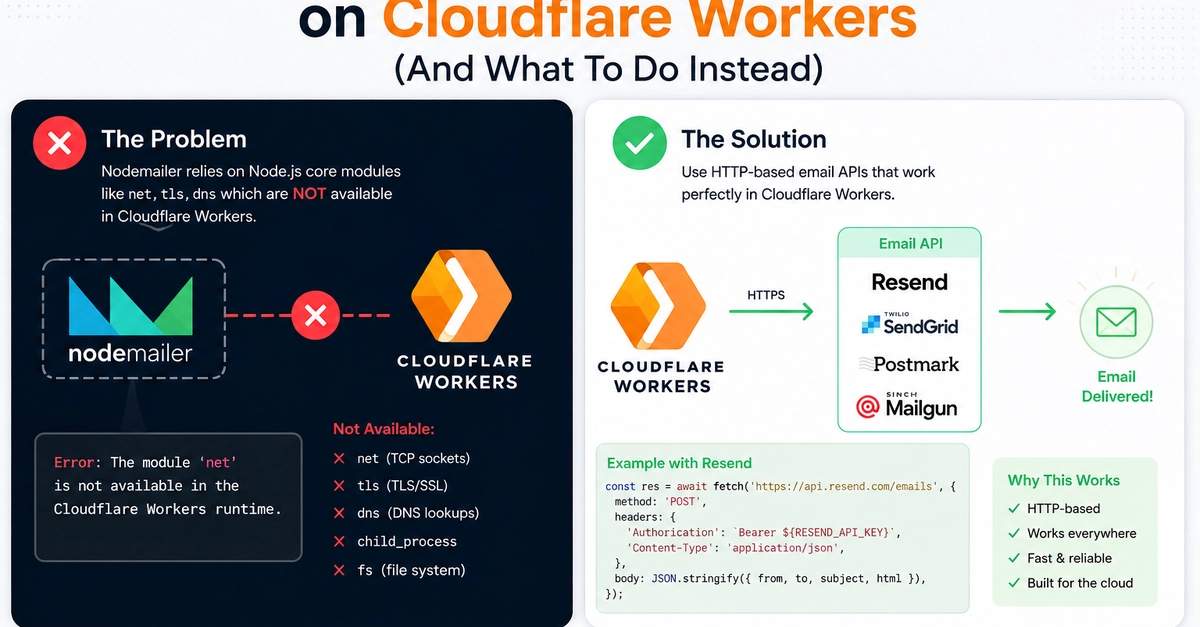
This situation echoes broader trends seen across various tech sectors where initial promises of disruption and cost reduction encounter the friction of real-world implementation. Developers encounter unexpected limitations when deploying applications, such as Nodemailer failing on Cloudflare Workers due to fundamental protocol differences (SMTP vs. the serverless environment's constraints). No amount of configuration can bridge this gap; a different approach or tool is required. Similarly, the SEO advice that once relied on simple keyword density and meta description optimization has become obsolete. The underlying mechanism (keywords still matter) remains, but the strategy around it has evolved dramatically, rendering old playbooks ineffective. These parallels highlight a recurring pattern: technology advancements, while powerful, must be integrated thoughtfully, respecting the existing complexities of the domain they aim to improve.
The Unanswered Question: Who Bears the Risk?
What remains largely unaddressed in the current discourse is the distribution of risk associated with adopting these expensive, complex AI systems in healthcare. If a robotic system malfunctions during a patient session, leading to injury, who is liable? The manufacturer? The software provider? The clinic? The clinician overseeing the session? The regulatory hurdles for medical devices are already substantial, and introducing AI layers adds further complexity to validation, certification, and ongoing safety monitoring. The cost of navigating these regulatory landscapes, coupled with the potential for expensive litigation, adds another layer of financial uncertainty that often gets overlooked in simple cost-benefit analyses.
Furthermore, the integration of AI in healthcare raises profound questions about the future of the workforce. While the focus is on cost savings, there is less discussion about the retraining and upskilling required for healthcare professionals to effectively utilize these new tools. The skills needed to operate advanced AI-assisted equipment differ significantly from traditional clinical skills. This transition requires investment in education and training, which represents another significant, often unbudgeted, cost. Without careful planning and investment in human capital, the adoption of AI could exacerbate existing workforce challenges rather than alleviate them.
The economic case for AI in healthcare, therefore, requires a more nuanced and realistic assessment. It cannot be a simple extrapolation from manufacturing or other less complex industries. The unique characteristics of healthcare – patient variability, high stakes, complex regulatory environments, and the indispensable role of human judgment and empathy – demand a more sophisticated cost-benefit analysis. Until AI and robotics can demonstrably offer clear, quantifiable advantages that outweigh the substantial upfront investment, ongoing operational costs, and inherent risks, the math for many healthcare providers will continue to fall apart.