AI-Driven Automation and Task Replacement
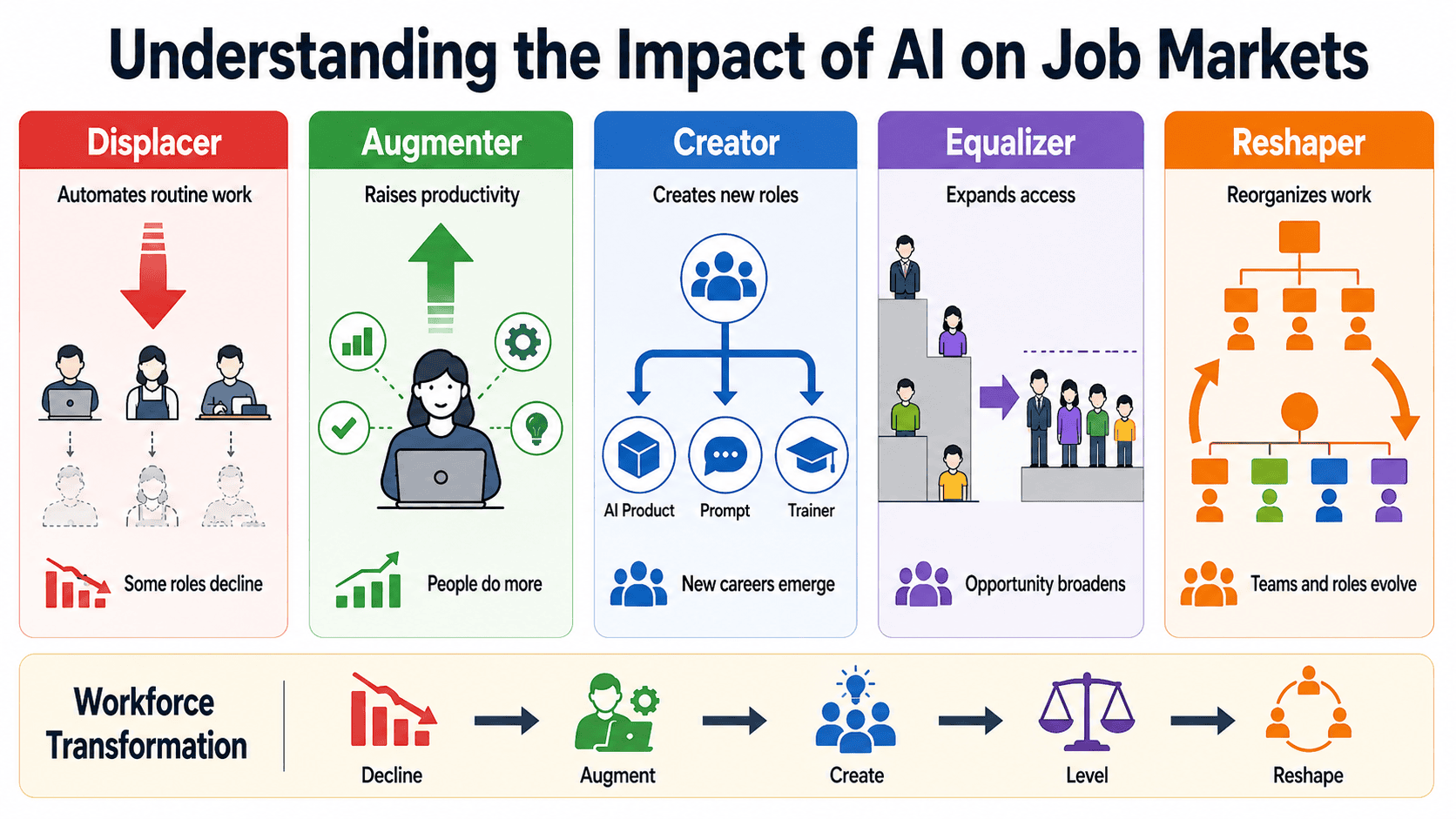
Artificial intelligence is rapidly automating routine and repetitive tasks across numerous industries. This automation extends beyond simple data entry or assembly line work. AI systems can now perform complex analytical tasks, generate reports, and even handle customer service inquiries with increasing sophistication. For instance, in the legal sector, AI can review thousands of documents for discovery in a fraction of the time it would take human paralegals. Similarly, in finance, algorithms are used for fraud detection and algorithmic trading, tasks previously managed by human analysts. This trend directly impacts roles heavily reliant on predictable, process-driven work. The concern is not just job displacement but a fundamental alteration of existing job descriptions, requiring employees to adapt or face obsolescence.
The core of this shift lies in AI's ability to process vast amounts of data and identify patterns far more efficiently than humans. Machine learning models, particularly deep learning, excel at tasks that involve pattern recognition, prediction, and optimization. This capability allows AI to take over functions that were once considered the exclusive domain of human cognitive abilities. Think of AI not as a simple tool replacing a hammer, but as a highly specialized assistant capable of performing entire workflows, from initial data collection to final output generation.

Thinning Entry-Level Hiring and Skill Gaps
One of the most immediate and concerning impacts of AI on the job market is the significant reduction in entry-level hiring. Many foundational roles, which traditionally served as stepping stones for new graduates and career changers, are precisely those most susceptible to automation. AI can handle the initial data processing, basic analysis, and administrative support functions that once provided crucial on-the-job training. This creates a paradoxical situation: as AI takes over the simpler tasks, the remaining entry-level positions, if any, demand higher-level skills and experience. This effectively widens the gap between academic training and the practical requirements of available jobs, making it harder for individuals to gain initial traction in their careers.
This phenomenon is akin to a company deciding to replace its entire intern program with a highly efficient AI that can perform all intern-level tasks. While cost-effective in the short term, it removes the pipeline for developing future talent. Companies are finding that the cost and time to train individuals for the more complex roles are increasing, leading them to seek candidates who already possess specialized skills. This puts pressure on educational institutions to adapt curricula and on individuals to proactively acquire new competencies beyond traditional degrees.
Emergence of New Roles and Skill Demands
While AI automates existing tasks, it also creates entirely new job categories and demands for specialized skills. The development, deployment, and maintenance of AI systems themselves require a skilled workforce. Roles such as AI trainers, data scientists, machine learning engineers, AI ethicists, and prompt engineers are in high demand. These positions often require a blend of technical expertise, domain knowledge, and critical thinking. Furthermore, AI is augmenting existing roles rather than replacing them entirely. Professionals who can leverage AI tools to enhance their productivity and decision-making capabilities will be in a stronger position.
For example, a marketing professional who can use AI-powered analytics to understand customer behavior, or a healthcare provider who uses AI for diagnostic assistance, will be more effective and valuable. This necessitates a shift in how we think about workforce development. Continuous learning and upskilling are no longer optional but critical for career longevity. The focus is moving from performing tasks to managing, interpreting, and creatively applying AI-generated insights. The ability to collaborate effectively with AI systems, understanding their strengths and limitations, is becoming a core competency.
The Need for Adaptability and Continuous Learning
The overarching impact of AI on job markets underscores the critical need for adaptability and a commitment to continuous learning. The pace of technological change is accelerating, meaning that skills acquired today may become outdated tomorrow. Individuals must cultivate a mindset of lifelong learning, actively seeking opportunities to acquire new knowledge and skills. This includes not only technical proficiencies but also soft skills such as critical thinking, problem-solving, creativity, and emotional intelligence, which are inherently more difficult for AI to replicate.
Companies and educational institutions have a vital role to play in facilitating this transition. Businesses need to invest in upskilling and reskilling their existing workforce, providing training programs that align with the evolving demands of the AI-driven economy. Educational systems must reform their curricula to emphasize future-proof skills and foster a deeper understanding of AI principles. For professionals, this means proactively engaging with AI technologies, understanding their potential applications within their field, and seeking out training that bridges current skill gaps. The future of work is not one where humans are replaced by AI, but one where humans and AI collaborate, with those who can effectively navigate this partnership thriving.
Broader Societal and Economic Implications
The profound changes AI brings to the job market carry significant societal and economic implications. Beyond individual career paths, there are broader questions about income inequality, the future of work-life balance, and the potential need for new social safety nets, such as universal basic income, as automation becomes more pervasive. The concentration of AI development and deployment in certain sectors or geographic regions could exacerbate existing economic disparities. Policymakers, business leaders, and educators must engage in proactive dialogue and strategic planning to navigate these challenges and ensure a more equitable and prosperous future of work for all.
The transition will not be seamless. There will be winners and losers, and the speed of change demands foresight and deliberate action. Understanding the multifaceted nature of AI's impact—from task automation to the creation of new roles—is the first step toward building a workforce that is resilient, adaptable, and prepared for the AI-augmented era.