
The Challenge of Keeping Pace with AI Model Proliferation
The artificial intelligence landscape is evolving at an unprecedented speed. New models are released constantly, each with its own set of capabilities, pricing structures, and performance benchmarks. For developers, researchers, and businesses, keeping track of this ever-expanding ecosystem has become a significant challenge. It is increasingly difficult to ascertain which models offer the best value, the highest performance for specific tasks, or the most competitive pricing across a fragmented market. This rapid iteration makes informed decision-making a moving target.
This difficulty is compounded by the proprietary nature of many AI models and the disparate ways companies present their offerings. Some providers offer detailed API documentation and transparent pricing, while others provide more opaque models or focus on specific niches. Aggregating this information manually is a time-consuming and often futile endeavor, as the data quickly becomes outdated.
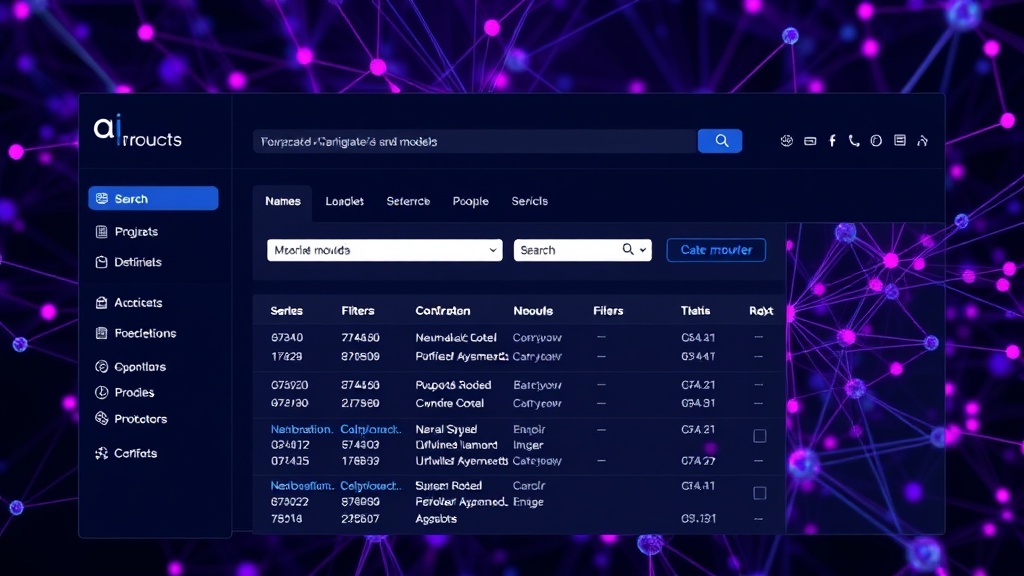
AI Pulse Dashboard: A Backend-Free Solution
To address this information gap, a new project, dubbed the AI Pulse Dashboard, has emerged. It takes a novel approach by consolidating information on over 600 AI models from more than 170 companies into a single, static HTML file. The core innovation here is the complete absence of a backend infrastructure. Instead of relying on servers, databases, and APIs to serve dynamic content, the dashboard leverages client-side technologies to present the aggregated data.
The project's creator, who posted about it on Reddit, explains that the impetus for building the dashboard was the personal struggle to keep up with the pace of new model releases, pricing shifts, and benchmark updates across various providers. The goal was to create a centralized, easily accessible resource that could be updated efficiently.
How It Works: Python Pipeline and Static Output
The magic behind the AI Pulse Dashboard lies in its update mechanism. A Python pipeline is responsible for gathering the latest information on AI models. This pipeline is designed to be run with a single click, automating the process of fetching data from various sources. The output of this pipeline is not a dynamic API, but rather a comprehensive dataset that is then embedded directly into the single HTML file. This means that when a user accesses the dashboard, they are loading a self-contained file with all the necessary information already present.
The pipeline reportedly pulls data on model pricing, benchmark results, and other relevant metrics. The intention is that new model releases and updates can be incorporated into the dashboard within approximately 24 hours. This rapid update cycle is crucial for maintaining the utility of the dashboard in such a fast-moving field.
The Significance of a Backend-Free Approach
The decision to build a backend-free application is a significant technical choice with several implications. Firstly, it drastically simplifies deployment and maintenance. There are no servers to manage, no databases to scale, and no API endpoints to secure. The entire application can be hosted on any static file hosting service, or even simply shared as a file.
Secondly, it enhances accessibility. Users can download the HTML file and use it offline, or host it themselves without incurring ongoing server costs. This democratizes access to information that might otherwise be locked behind proprietary platforms or require complex infrastructure to access.
The counterintuitive aspect of this approach is that it achieves a high level of data dynamism and comprehensiveness without any server-side processing. Think of it less like a live-updating news feed powered by a complex backend, and more like a meticulously curated, instantly accessible digital encyclopedia that gets a fresh edition printed daily.
Broader Implications for AI Information Aggregation
While the AI Pulse Dashboard focuses on model aggregation, the underlying principle of static, client-side data presentation for rapidly changing information has broader relevance. In fields where data freshness is paramount but backend infrastructure is a barrier, similar approaches could be adopted. This could include aggregators for software releases, hardware specifications, or even scientific literature updates, provided a reliable data pipeline can be established.
However, the success of such a project hinges on the robustness of its data pipeline and the ability to maintain a consistent, reliable source of truth for over 600 AI models. The project's creator has provided a link to the project page, inviting further contributions and feedback, which will be critical for its long-term viability.
The Unanswered Question of Data Integrity
What remains to be seen is how the project will handle potential inconsistencies or biases in the data sources it aggregates. While the Python pipeline aims for comprehensive updates, the accuracy and completeness of the data ultimately depend on the quality of the information available from the 170+ companies. Ensuring that benchmarks are comparable across different methodologies and that pricing is accurately reflected will be an ongoing challenge. The project's transparency about its data sources and aggregation methods will be key to building trust among its users.