
The AI Memory Crunch
The insatiable appetite of artificial intelligence for high-bandwidth memory (HBM) is creating a ripple effect that is profoundly altering the hardware landscape, particularly for smaller device manufacturers. As AI models grow in complexity and data processing demands escalate, the market for DRAM, and especially HBM, is experiencing unprecedented strain. This shortage is not merely a matter of increased prices; it's a fundamental challenge to product design and supply chain strategies for companies operating outside the dominant tech giants.
Fairphone, a company known for its commitment to ethical sourcing and repairability, has highlighted the severity of the situation. They report that memory components now constitute up to 60% of their total materials cost. This dramatic shift is compelling smaller laptop and phone makers to undertake significant product redesigns. The scarcity and escalating cost of memory are forcing a re-evaluation of everything from motherboard layouts to the very selection of components, pushing many to explore alternative architectures and more aggressive testing protocols to ensure supply chain integrity.
The root of this problem lies in the AI boom. Large language models and sophisticated AI inference engines require vast amounts of memory to operate efficiently. High Bandwidth Memory (HBM), a specialized type of DRAM stacked vertically and connected via through-silicon vias (TSVs), offers significantly higher bandwidth and lower power consumption compared to traditional GDDR or DDR memory. This makes it indispensable for high-performance AI accelerators like NVIDIA's GPUs, which are currently the workhorses of AI development and deployment. Consequently, the demand for HBM has skyrocketed, diverting production capacity and raw materials away from the consumer electronics market.
Rethinking Product Design
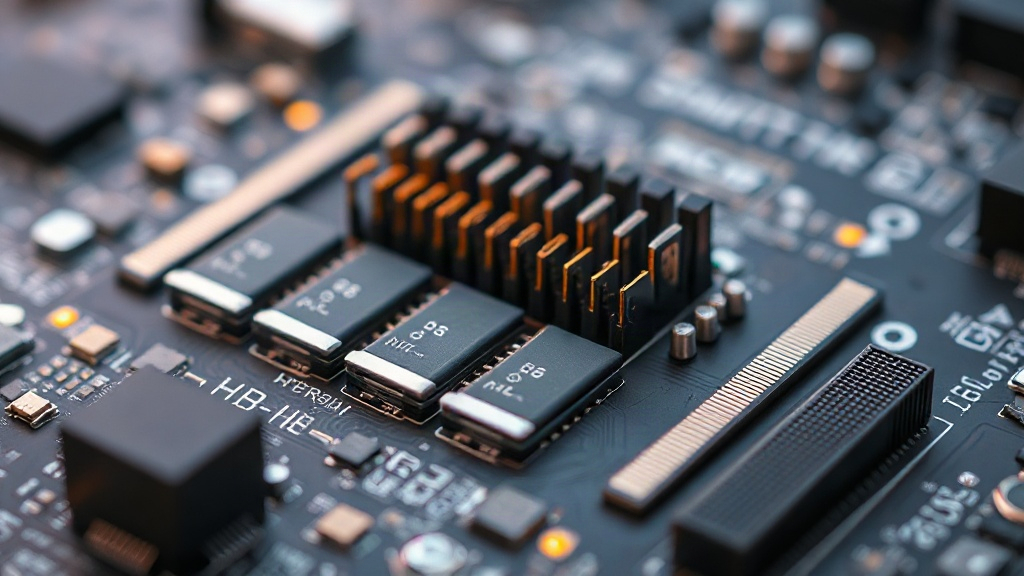
For smaller manufacturers, the impact is multifaceted. Limited availability of crucial memory chips means that even if they can afford the inflated prices, securing sufficient quantities to meet production targets is a major hurdle. This scarcity forces them to be more innovative and adaptable in their product development. Motherboard designs are being reconfigured to accommodate fewer or different types of memory modules, or to optimize for the memory that is available, even if it means compromising on peak performance in certain areas.
This redesign process is not trivial. It involves extensive engineering effort, re-testing, and re-certification, all of which add to development time and cost. Companies that might have relied on off-the-shelf memory solutions now find themselves needing to engineer custom configurations or to make design choices that prioritize memory availability over other performance metrics. Think of it less like choosing from a well-stocked supermarket and more like being forced to build a meal with whatever sparse ingredients you can find at a struggling local market – you have to get creative and accept that the final dish might be different from what you originally envisioned.
The pressure extends beyond just the silicon itself. The entire bill of materials (BOM) for devices is being scrutinized. With memory consuming such a large percentage of the cost, other components might need to be scaled back or substituted to maintain a competitive price point. This could lead to devices with less powerful processors, smaller storage capacities (separate from RAM), or fewer peripheral features. For consumers, this might translate into devices that feel less capable or feature-rich than previous generations, even if they are ostensibly for the same market segment.
Procurement and Supply Chain Challenges
Beyond design, procurement strategies are also under intense pressure. Smaller companies often lack the purchasing power and long-term contracts that larger corporations have with memory manufacturers. This puts them at the back of the line when supply is tight. They are forced to navigate a complex and often opaque secondary market, where prices can be even higher and the risk of counterfeit components is significantly elevated.
To combat this, manufacturers are implementing more rigorous testing for incoming components. The risk of receiving