
The Rise of AI Influencers on Social Media
The digital landscape is increasingly populated by virtual influencers, AI-generated models that mimic human creators on platforms like Instagram and Fanvue. These AI personas offer creators a unique avenue to engage audiences, build brands, and generate revenue. However, this burgeoning field is fraught with legal and ethical questions that creators and platforms are only beginning to grapple with. The core tension lies in the intersection of artificial creation and authentic human interaction, particularly concerning transparency and potential legal repercussions.
A recent discussion on Reddit highlighted the anxieties of an AI model creator who was considering monetizing their creation through platforms like Fanvue. The creator, operating under the username SentenceAncient4775, expressed a desire to link a Fanvue profile for their AI model. This move immediately brought to the forefront a series of critical questions: What are the legal ramifications of creating and promoting an AI model as a digital creator? Is there a requirement to disclose that the persona is AI-generated, especially when engaging with users directly on monetization platforms? The creator noted that Fanvue itself discloses AI profiles before users follow, suggesting a growing industry awareness of the need for transparency, but the specifics of legal obligations remain murky.
The platform's proactive disclosure is a significant indicator. It suggests that platforms are attempting to mitigate their own risks and manage user expectations. However, this doesn't absolve individual creators from their responsibilities. The question of whether a digital creator bio stating 'digital creator' is sufficient disclosure, or if an explicit 'AI model' tag is mandatory, remains a key point of contention. The legal framework surrounding AI-generated personas is still nascent, making it difficult to provide definitive answers. This ambiguity creates a challenging environment for creators who are essentially operating in uncharted territory.
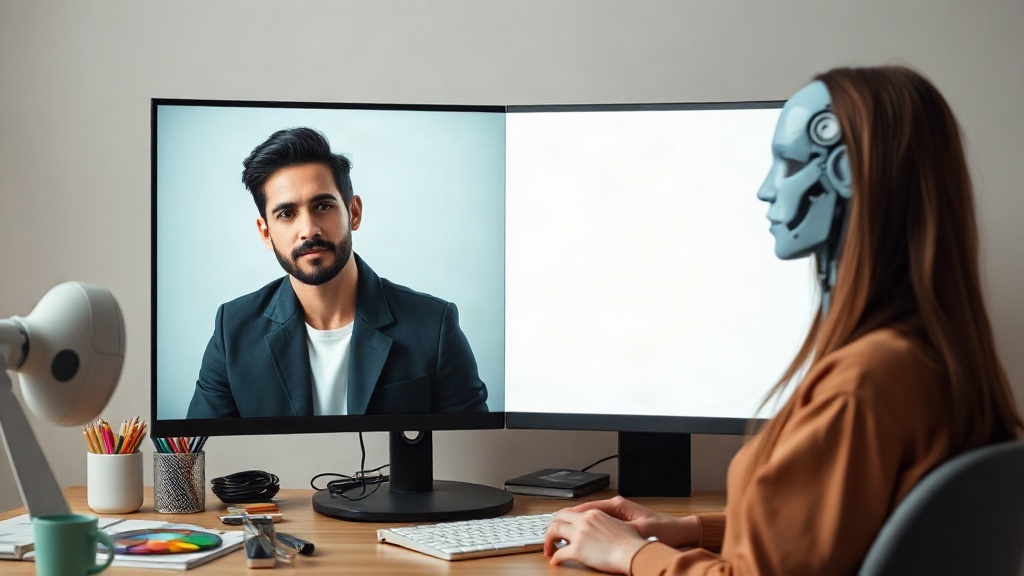
Navigating the Legal Minefield
One of the primary concerns for creators of AI models is the potential for legal trouble. While the act of creating an AI persona for content creation is not inherently illegal, the manner in which it is presented and monetized can lead to legal challenges. This includes issues related to deceptive practices, intellectual property, and potentially even liability for the actions or representations made by the AI persona.
Consider the concept of 'digital creator' in a bio. While it accurately describes the role, it doesn't explicitly state the nature of the creator. If an AI model is presented as a human, and users engage with it under that false premise, there could be grounds for claims of misrepresentation. This is particularly relevant on platforms where direct interaction and financial transactions occur. For instance, if an AI model on Fanvue engages in private conversations with users who believe they are interacting with a human, and this interaction leads to financial loss or emotional distress for the user, the creator could face legal consequences. The platform's disclosure policy is a step towards mitigating this, but individual creator actions still carry risk.
The legal status of AI-generated content and personas is a rapidly evolving area. Laws are struggling to keep pace with technological advancements. In many jurisdictions, there is no specific legislation directly addressing AI influencers. This means creators must rely on existing consumer protection laws, advertising standards, and potentially even contract law to understand their obligations. The lack of clear guidelines means that creators are often left to interpret these laws themselves, leading to a higher risk of unintentional non-compliance. The surprising detail here is not the lack of existing AI-specific laws, but how broadly existing, general consumer protection regulations can be applied to these novel digital entities.
The Ethics of AI Transparency
Beyond legal obligations, there is a significant ethical dimension to the use of AI influencers. Transparency is crucial for maintaining trust with audiences. When users believe they are interacting with a human, they form a different kind of connection than they would with an AI. Deceiving an audience, even unintentionally, can erode trust and damage a creator's reputation in the long run. The creator’s question about talking to people on Fanvue without disclosing they are an AI model speaks directly to this ethical dilemma.
The argument for disclosure is straightforward: audiences have a right to know who or what they are engaging with. This allows them to make informed decisions about their interactions and consumption of content. For AI models, disclosure fosters a more honest relationship. It acknowledges the artificial nature of the persona, setting appropriate expectations. While some might argue that revealing the AI nature diminishes the 'magic' or appeal, the long-term benefits of transparency—building genuine trust and avoiding potential backlash—likely outweigh these short-term concerns.
The implications extend to how these models are used. If an AI influencer is used to promote products or services, the disclosure becomes even more critical. Audiences need to understand that the endorsement comes from an algorithmically generated persona, not a human with personal experience or genuine preference. This is akin to understanding that a product review might be generated by an AI rather than a human user. The lack of disclosure can lead to a situation where consumers are influenced by entities that do not possess genuine beliefs or experiences, potentially leading to misleading purchasing decisions.
The Platform's Role and Future Implications
Platforms like Fanvue play a pivotal role in shaping the future of AI influencers. Their decision to disclose AI profiles signals a move towards greater accountability. However, the responsibility cannot lie solely with the platforms. Creators must also take proactive steps to ensure ethical practices. This includes clear communication about the nature of their digital personas, especially when engaging in monetization or direct interaction with followers.
What remains to be seen is how widely these disclosure policies will be adopted and enforced across different social media platforms. Instagram, for example, has not yet implemented a universal AI disclosure policy for influencer accounts. This disparity creates an uneven playing field and leaves users vulnerable on platforms with less stringent transparency measures. The success of AI influencers hinges on building a sustainable ecosystem based on trust. Without clear guidelines and consistent enforcement of disclosure, the potential for misuse and public distrust is significant.
For creators of AI models, the path forward requires careful consideration of both legal requirements and ethical best practices. Building an AI persona that is successful and sustainable means being upfront with audiences. The digital creator bio is a start, but explicit, unambiguous disclosure about the AI nature of the persona is likely the most prudent approach. As the technology evolves, so too will the regulations and societal expectations surrounding AI-generated entities. Proactive transparency is not just good ethics; it's increasingly becoming good business sense in the age of AI.