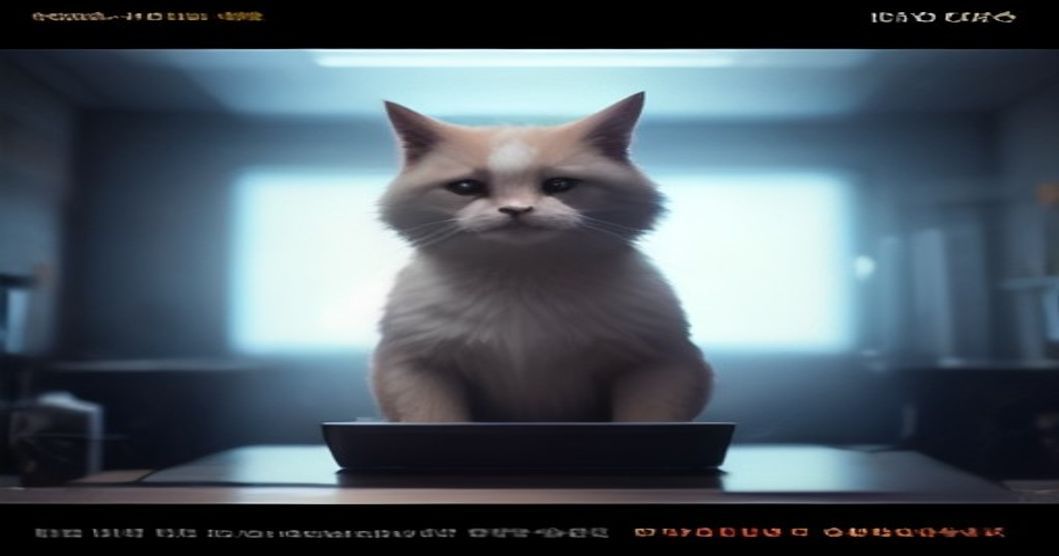
The Rise of Synthetic Companionship
The internet has long been a repository for heartwarming and often hilarious videos of animals. From cats chasing laser pointers to dogs mastering new tricks, these clips provide a genuine, unscripted source of joy and connection. However, a new wave of content is emerging: AI-generated animal videos. While these synthetic creations can mimic the visual appeal of real animal antics, a closer examination reveals a fundamental difference. The spark, the spontaneity, and the authentic emotion that make traditional animal videos so compelling are conspicuously absent.
These AI-generated videos, often created using sophisticated deepfake and animation techniques, can produce incredibly realistic scenes. Animals perform impossible feats, interact in uncanny ways, or even speak human languages. On the surface, they appear to offer a novel form of entertainment. Yet, the underlying reality is that the joy derived from these clips is manufactured, an illusion crafted by algorithms. Unlike a video of a dog genuinely wagging its tail in excitement or a cat purring contentedly, an AI-generated animal’s expressions and actions are programmed, lacking the organic basis of real emotion. This distinction is crucial: we are not witnessing genuine happiness or personality, but a digital facsimile.
Consider the difference between watching a child laugh uncontrollably at a playful pet and watching a CGI character simulate laughter. One is a spontaneous, infectious expression of pure delight. The other is a pre-determined animation. The AI-generated animal video occupies a similar space. The visual spectacle might be impressive, but the emotional core is hollow. This raises an important question about our consumption of digital media: are we becoming desensitized to authenticity, or are we simply seeking novel forms of entertainment, regardless of their origin?
The Uncanny Valley of Animal Content
The issue isn't just about AI replacing real animals; it's about what we lose in the process. The charm of animal videos stems from their unpredictability and the raw, unfiltered emotions they display. A dog’s goofy grin after a successful fetch, a bird’s bewildered head tilt, a kitten’s clumsy pounce – these moments are precious because they are real. They offer a window into the inner lives of other creatures, fostering empathy and a sense of shared experience. AI-generated videos, by contrast, are predictable in their artificiality. They can be programmed to be “cute” or “funny,” but they cannot replicate the genuine emotional resonance that comes from observing authentic animal behavior.
This phenomenon can be likened to the difference between a hand-painted masterpiece and a perfect digital replica. While the replica might be technically flawless, it lacks the artist’s touch, the subtle imperfections, and the unique history that imbue the original with its soul. Similarly, AI animal videos offer a technically perfect, yet soulless, representation. The algorithms can simulate expressions and movements with remarkable accuracy, but they cannot imbue these digital beings with the genuine sentience or emotional capacity that makes real animals so captivating. We are, in essence, consuming a meticulously crafted illusion, a digital puppet show where the strings are made of code.
The danger lies in the potential for these synthetic videos to dilute our appreciation for genuine animal behavior. As AI-generated content becomes more prevalent and sophisticated, it may become harder to distinguish between what is real and what is artificial. This could lead to a generation that is less connected to the natural world, more accustomed to simulated experiences. The joy we find in a real animal’s antics is a reflection of our own capacity for empathy and connection. Replacing that with a manufactured experience risks diminishing those very qualities within ourselves.
The Future of Digital Animal Encounters
The proliferation of AI-generated animal videos presents a complex challenge. On one hand, these tools can be used for creative expression, education, and even therapeutic purposes – imagine AI-generated animals designed to comfort or entertain those who cannot interact with real pets. On the other hand, there is a risk of them becoming a dominant form of content, overshadowing and devaluing authentic animal interactions. The core issue remains the absence of genuine emotion and lived experience in AI-generated content. While AI can simulate, it cannot replicate the essence of being alive.
If you are a creator who typically shares clips of your pets or wildlife observations, you might find your authentic content competing with an endless stream of perfectly curated, algorithmically generated scenes. The challenge for platforms and viewers alike will be to discern and prioritize authenticity. The delight we feel from a real animal’s unscripted moment is profound because it taps into something genuine. As AI continues to advance, the value of that authenticity may become even more pronounced, not less.
What nobody has addressed yet is the long-term psychological impact of consuming an ever-increasing diet of synthetic emotional experiences. Will our capacity for genuine empathy wither if we primarily interact with simulated joy and affection? The question is not whether AI can create cute animal videos, but whether these videos can truly satisfy our innate human need for connection and authenticity.