The Shifting Landscape for Junior Engineers
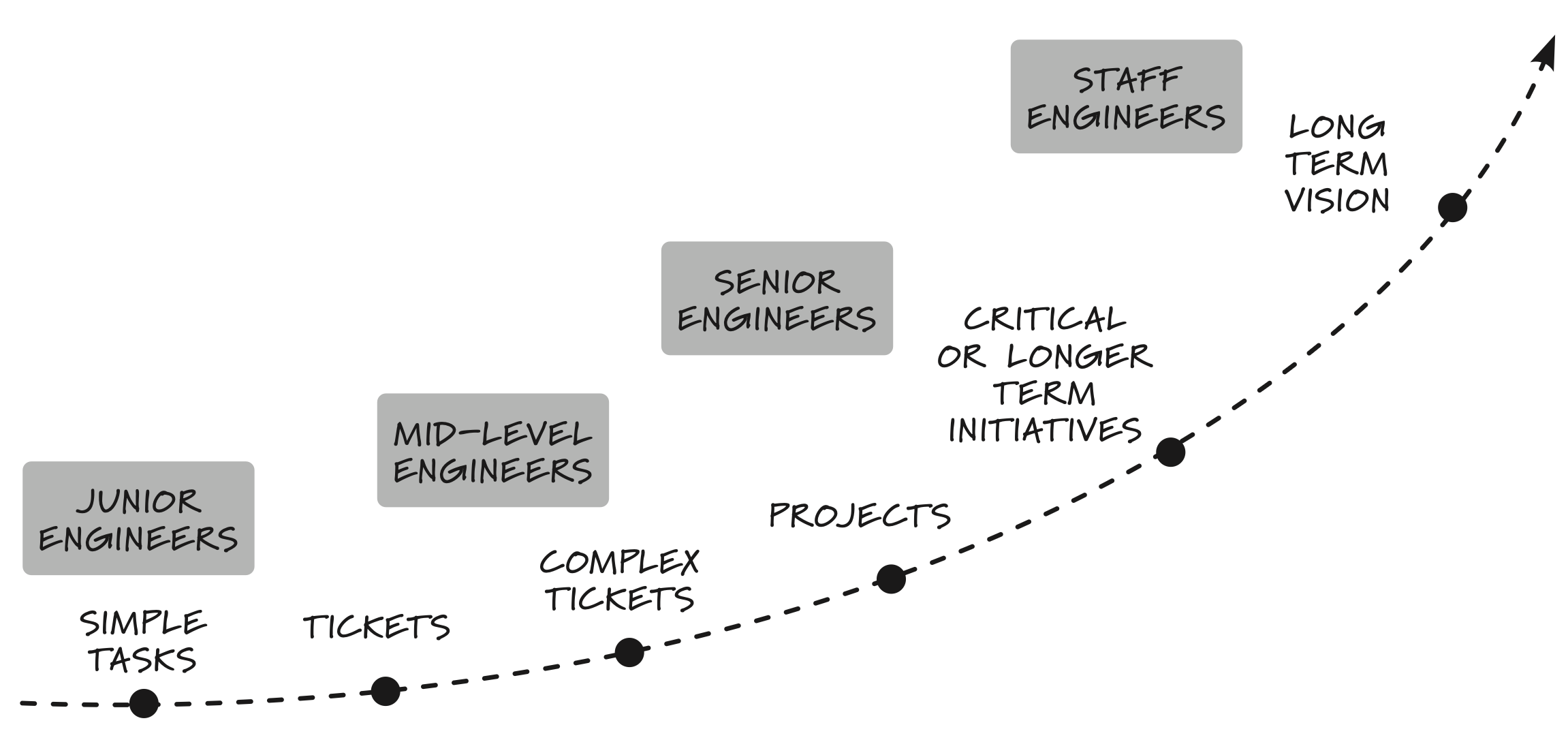
The narrative that Artificial Intelligence will render junior engineers obsolete is a recurring, yet increasingly challenged, perspective. Recent discussions on Hacker News, particularly a highly-upvoted thread titled "AI didn't erase the junior engineer's value, it increased it it," reveal a nuanced understanding: AI is not a replacement, but a powerful amplifier. This shift redefines the junior role, moving it away from rote coding tasks towards more strategic, collaborative, and mentorship-focused responsibilities.
The core argument gaining traction is that AI tools, like GitHub Copilot or ChatGPT, excel at generating boilerplate code, suggesting solutions, and debugging common errors. This automation frees up junior developers from hours of tedious, repetitive tasks. Instead of spending significant time on syntax or finding basic code snippets, they can now dedicate more mental energy to understanding the 'why' behind the code, grasping architectural concepts, and engaging with more complex problem-solving. This elevation of their work fundamentally changes what it means to be a junior engineer.
Think of it less like a robot taking a factory worker's job, and more like a power tool enabling a carpenter to build more intricate designs faster. The junior engineer's value proposition evolves from being a code typist to becoming a more effective problem solver and a crucial conduit for knowledge transfer. They become the individuals who can leverage AI outputs, critically evaluate them, integrate them into larger systems, and ensure they align with project goals and best practices.
AI as a Force Multiplier, Not a Replacement
The sentiment on Hacker News suggests that AI acts as a force multiplier for junior engineers. By handling the more mundane aspects of coding, AI allows juniors to accelerate their learning curve. They can experiment with more sophisticated features, explore different algorithmic approaches, and gain exposure to a wider range of technologies in a compressed timeframe. This accelerated learning is invaluable for their career development and for the teams they are part of.
Furthermore, the presence of AI tools necessitates a new skill set for junior engineers: effective prompt engineering, critical evaluation of AI-generated code, and a deep understanding of system design. These are higher-order skills that require human judgment, creativity, and contextual awareness – areas where AI currently falls short. Junior engineers who master these skills will find their value not diminished, but significantly enhanced. They become the curators and integrators of AI-assisted development.
The discussions also highlighted the importance of mentorship. Senior engineers are often burdened with guiding junior team members. With AI handling some of the basic explanations and code generation, seniors can focus more on higher-level architectural decisions, strategic planning, and providing more targeted, impactful mentorship. This creates a virtuous cycle: AI helps juniors learn faster, freeing up seniors to mentor more effectively, which in turn helps juniors develop the skills to utilize AI even better.
The Evolving Role of Mentorship and Problem-Solving
The Hacker News thread points to a critical evolution: junior engineers are becoming indispensable in bridging the gap between AI capabilities and real-world application. They are the ones who can take an AI's suggestion, understand its implications within a specific codebase and business context, and refine it. This requires a blend of technical acumen and critical thinking that AI cannot replicate.
The value of a junior engineer is increasingly tied to their ability to ask the right questions, to understand the problem domain deeply, and to guide the AI towards a correct and efficient solution. This shifts the focus from manual code production to intelligent oversight and integration. For instance, a junior engineer might use an AI to generate multiple potential solutions to a complex bug, but it's their judgment that determines which solution is the most robust, secure, and performant.
What nobody has addressed yet is what happens to the thousands of developers who built their entire value proposition on being highly efficient at generating standard code patterns. While the consensus is that AI is an enhancer, the transition period could still be challenging for individuals who do not adapt quickly to these new skill demands. The onus is on both the developers to upskill and the companies to provide the training and opportunities for this transition.
Conclusion: A New Era of Junior Engineering
The consensus emerging from the Hacker News discussion is clear: AI is not an existential threat to junior engineers but a catalyst for their evolution. It automates the mundane, elevates the complex, and places a premium on critical thinking, problem-solving, and effective mentorship. Junior engineers who embrace these tools and adapt their skill sets will find their value not only preserved but significantly amplified in the modern software development landscape. The future of junior engineering is not about competing with AI, but about collaborating with it to achieve greater engineering outcomes.