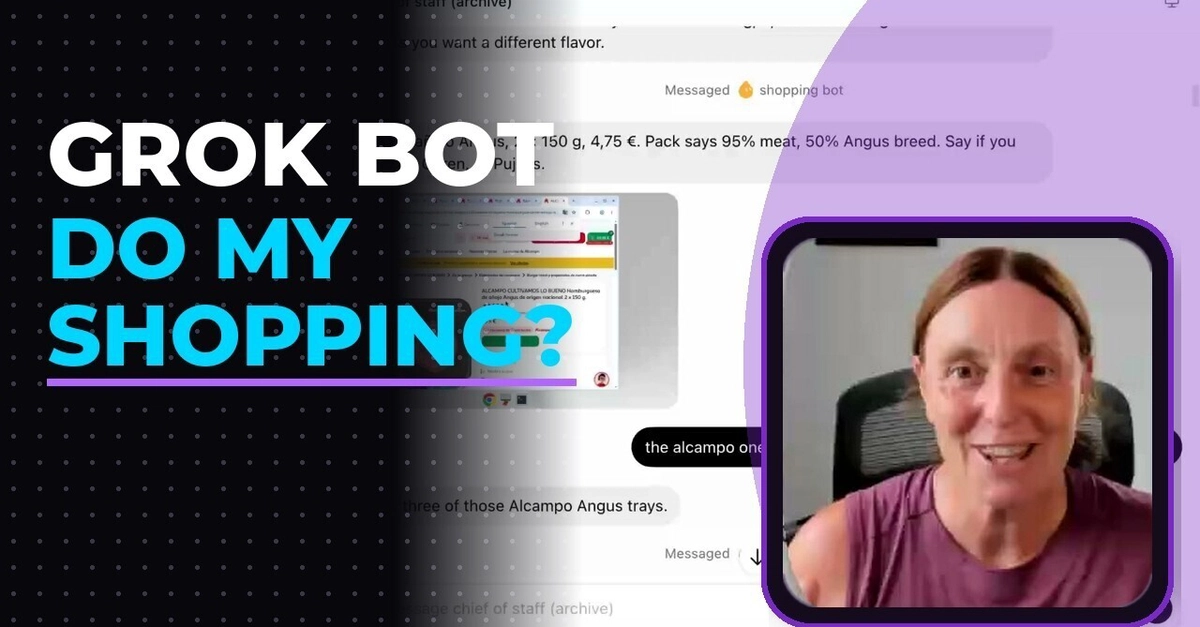
Leveraging AI for Everyday Tasks
In a practical demonstration of artificial intelligence integration into daily life, one user has detailed how they employed the AI chatbot Grok to manage a personal shopping excursion. The process, described by the user, highlights the potential for AI assistants to streamline mundane tasks, freeing up mental bandwidth for more complex activities.
The user recounts an instance where they utilized Grok to compile and manage a shopping list. This wasn't a simple text-based list creation; the AI was engaged to actively assist in the planning and execution of the shopping trip. The scenario implies a level of interaction where the AI could potentially recall previous lists, suggest items based on past purchases, or even organize the list by store aisle or category, though the specifics of these advanced features were not elaborated upon in the provided excerpt.
Managing AI Context: A Practical Approach
A recurring theme in the user's account is the practical management of the AI's context window. The user mentions archiving a previous iteration of their "chief of staff" bot, which had accumulated a significant amount of conversational history and task-related data. This archiving was done to create a fresh instance of the bot, allowing it to start with a cleaner slate and potentially improved performance or focus.
The rationale behind this archival process is to prevent the context window from becoming too full, which can sometimes degrade an AI's performance or lead to it prioritizing older, less relevant information. By archiving the older bot and creating a new one, the user ensures that the AI is operating with the most pertinent information for current tasks. This is a common strategy among power users of AI assistants to maintain optimal functionality. The user explicitly states they will hide the "chief of staff" role again after finishing their current task, indicating a deliberate workflow for managing AI instances.
This archival strategy was enacted on Monday, August 17th, a week after the shopping trip itself. The user felt it necessary to document the experience before the context was lost or became too cumbersome to access. This suggests that while AI can be powerful, managing its memory and state is an ongoing consideration for effective use.
From Beer Cart to Checkout
The shopping trip itself is framed as picking up from a "beer cart." This phrasing is somewhat metaphorical, likely referring to the initial stage of the shopping list preparation. The user indicates that the shopping cart was already set up the night before, implying that Grok might have been used in the initial list creation or organization phase, possibly suggesting items or structuring the list logically.
The narrative implies a seamless transition from the planning phase, facilitated by Grok, to the physical act of shopping. While the excerpt doesn't detail the in-store experience, it suggests that the AI's role extended beyond mere list generation to actively assisting in the shopping process. This could involve providing reminders, suggesting alternatives, or even navigating the store based on the organized list. The implication is that the AI acts as a constant companion or assistant throughout the entire shopping journey, even while the user was engaged in other activities, such as walking twins.
The user's goal in sharing this walkthrough was to demonstrate the practical application of Grok in a real-world scenario. It moves beyond theoretical capabilities and showcases how an AI can be integrated into the fabric of everyday responsibilities, such as grocery shopping, while simultaneously managing other personal duties. The ability to offload cognitive load for tasks like list management and potentially in-store navigation represents a significant shift in how individuals can approach their daily routines.
This approach to using AI for personal errands underscores a broader trend: the increasing reliance on intelligent agents to manage complexity and optimize time. As AI models become more sophisticated and their context windows expand, their utility in handling multi-faceted tasks, even those involving physical movement and concurrent responsibilities, will likely grow. The user's experience, though anecdotal, provides a tangible example of this evolving human-AI partnership.