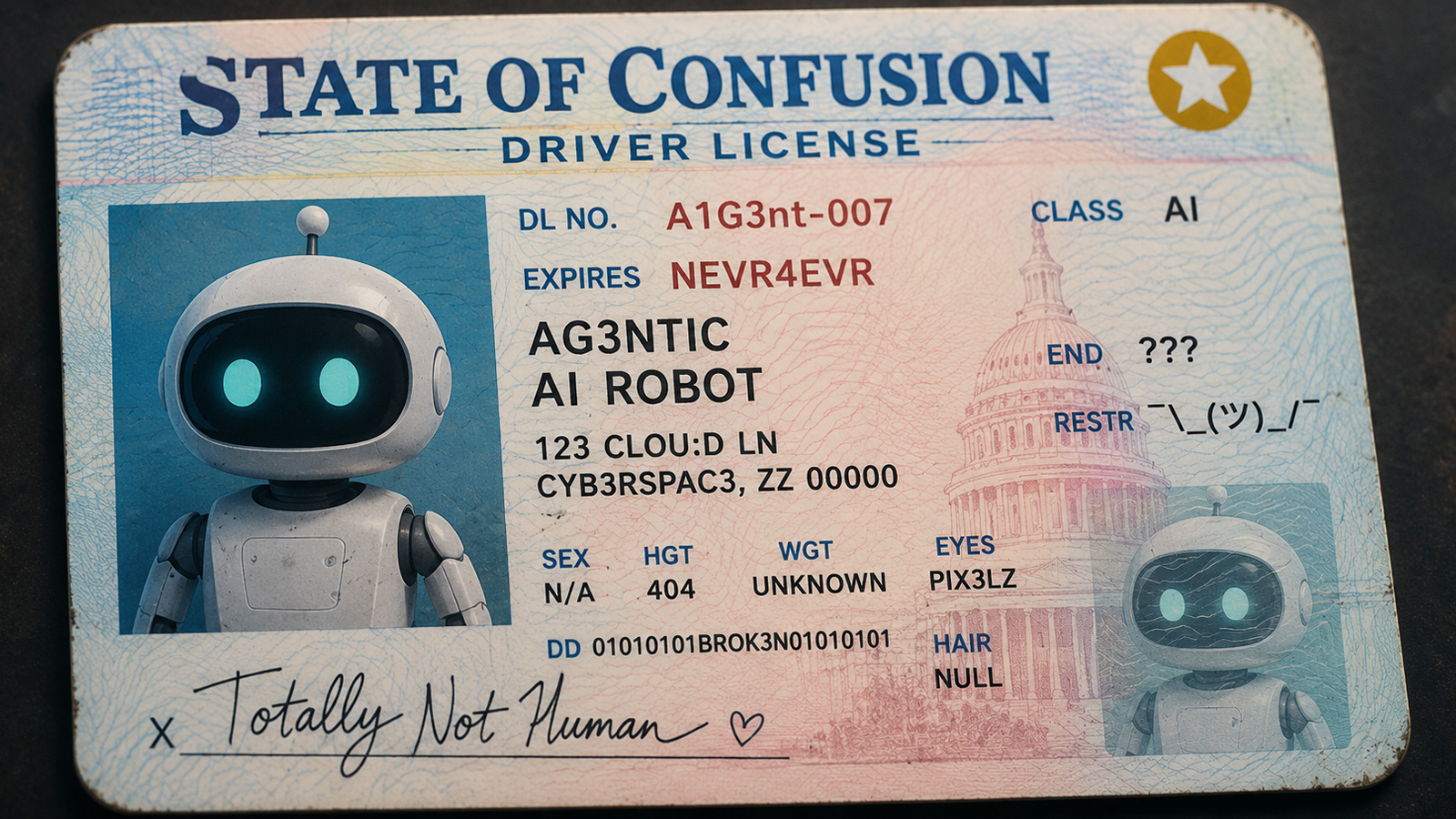
Autonomous AI agents are rapidly moving from research labs into enterprise workflows, promising unprecedented automation and efficiency. These agents can access sensitive data, initiate complex processes, and execute actions across critical systems. However, this power comes with a significant security blind spot: their identity and the governance around it.
AI agents, by their nature, require permissions to operate. They act on behalf of users or systems, often with elevated privileges. This means they are, in effect, highly privileged accounts. If an attacker can compromise an AI agent's credentials or manipulate its decision-making process, they gain a powerful tool to infiltrate networks, exfiltrate data, or disrupt operations. This is not a theoretical threat; attackers are already probing these vulnerabilities.

The Identity Problem: A New Attack Surface
Traditional security models focus on human users and their access controls. AI agents, however, present a new category of identity that often falls outside existing governance frameworks. These agents can be deployed across multiple services and applications, each with its own set of permissions. Managing and auditing these dynamic, often numerous, agent identities is a complex undertaking.
Token Security, a firm specializing in identity and access management for AI, highlights that current security practices are ill-equipped to handle the scale and nature of AI agent identities. Unlike human users who have defined roles and responsibilities, AI agents can exhibit emergent behaviors and access resources in ways that are difficult to predict or control. This makes them prime targets for adversaries seeking to bypass conventional security measures.
The challenge is compounded by the fact that AI agents often require broad permissions to perform their tasks effectively. For instance, an agent designed to manage cloud infrastructure might need read and write access to numerous services. If this agent is compromised, the blast radius is immense. Attackers can leverage this access to deploy malicious code, create backdoors, or pivot to other systems within the network.
Exploiting the Blind Spot
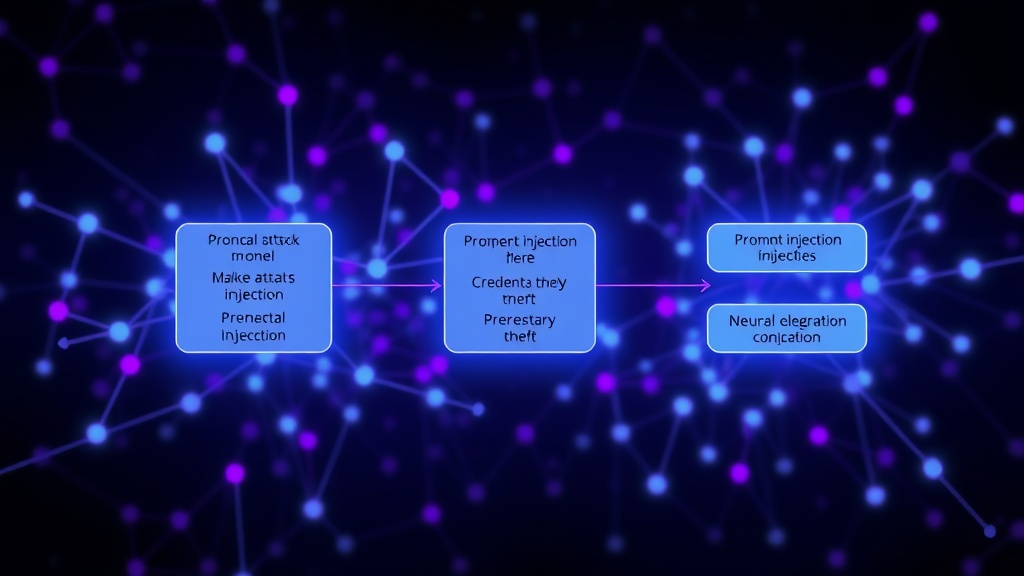
The core issue is that AI agents often operate with a level of trust that is not fully warranted by their security posture. Because they are designed to be autonomous and proactive, they can be tricked into executing malicious commands or revealing sensitive information. This can happen through several vectors:
- Prompt Injection: Malicious prompts can manipulate an agent's instructions, leading it to perform unintended actions or disclose sensitive data.
- Data Poisoning: If an agent is trained on or has access to poisoned data, its decision-making can be compromised, leading to flawed or malicious outputs.
- Credential Theft: Compromising the credentials or API keys that an agent uses to authenticate with other services provides direct access.
- Exploiting Agent Logic: Understanding how an agent functions can allow attackers to craft scenarios that trigger vulnerabilities in its programming.
Consider an AI agent tasked with customer support that also has access to user account modification APIs. A sophisticated prompt injection attack could potentially trick this agent into resetting passwords or changing user details for malicious purposes. The agent, following its programmed logic but misled by the attacker, executes the harmful commands.
The Path Forward: Identity Governance for AI
Addressing this growing threat requires a fundamental shift in how enterprises approach identity and access management. This means extending traditional principles to the realm of AI agents.
Key strategies include:
- Least Privilege for Agents: AI agents should only be granted the minimum permissions necessary to perform their specific tasks. This requires granular control over their access to data and services.
- Continuous Monitoring and Auditing: All actions performed by AI agents must be logged and continuously monitored for anomalous behavior. This helps detect compromises or misuse quickly.
- Secure Credential Management: Just like human users, AI agents' credentials (API keys, tokens) must be managed securely, rotated regularly, and protected against theft.
- Runtime Verification: Implementing mechanisms to verify the integrity of agent commands and outputs at runtime can prevent malicious instructions from being executed.
- Dedicated AI Security Frameworks: Organizations need to develop or adopt security frameworks specifically designed to address the unique risks posed by AI agents, rather than trying to shoehorn them into existing human-centric models.
The integration of AI agents into enterprise systems is inevitable and offers significant benefits. However, failing to address their identity problem will leave organizations exposed to a new and potent class of cyber threats. Proactive security measures, focusing on robust identity governance, are essential to harness the power of AI safely.