The Shifting Paradigm: From Apps to Agents
The familiar grid of colorful squares on our smartphone home screens, a staple of personal computing for over a decade, is facing an existential threat. By 2026, the dominant App Store model, which relies on users downloading and managing individual applications, is predicted to undergo a dramatic decline. The catalyst for this shift is the ascendance of autonomous AI agents, systems designed to perform complex tasks on behalf of users, effectively rendering many single-purpose applications redundant.
For years, our digital lives have been fragmented across dozens, if not hundreds, of discrete apps: ride-sharing, food delivery, banking, note-taking, social media, fitness tracking, and more. Managing, updating, and switching between these applications consumes a significant portion of our digital engagement. However, a new paradigm is emerging. The concept of migrating entire digital lives to agent-based workflows is gaining traction, promising a more integrated and efficient user experience. Instead of opening a specific app to perform a task, users will delegate that task to an AI agent, which can then orchestrate the necessary actions across various services.
This transition is not about the obsolescence of functionality but a fundamental change in how that functionality is accessed and managed. AI agents act as intelligent intermediaries, understanding user intent and executing multi-step processes that previously required manual app switching. Imagine planning a trip: instead of opening a flight booking app, a hotel reservation app, and a local transport app, a single prompt to an AI agent could handle all these arrangements, drawing on its ability to interact with the underlying services.
The App Store's Resilience: Niche Software Thrives
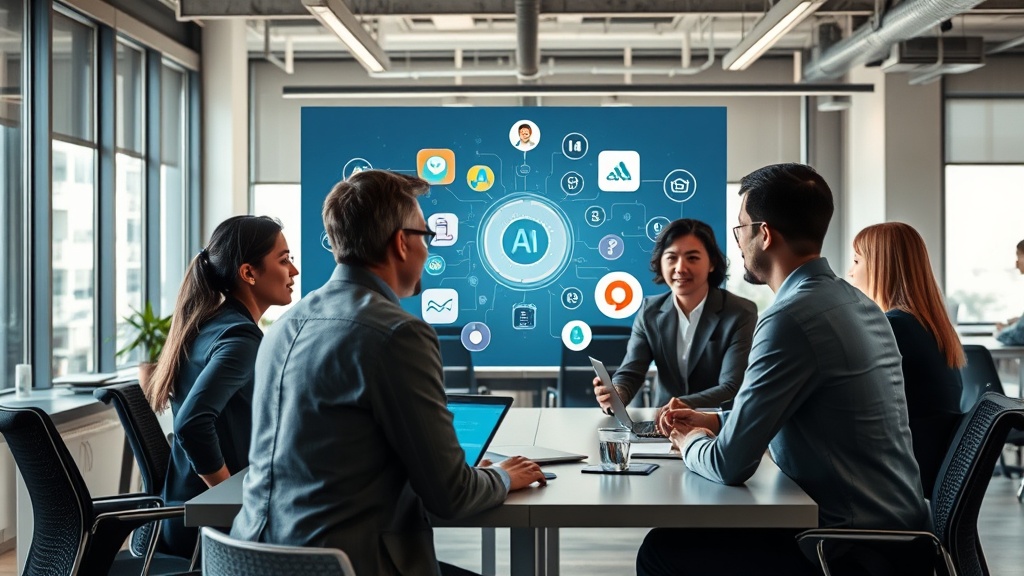
Despite the mounting predictions of the App Store's demise, the reality on the ground suggests a more nuanced evolution. While the overarching trend points towards agent-driven interactions, the innovation within the traditional app space has not ceased. Developers continue to ship new software at an accelerated pace, demonstrating that there is still significant room for specialized, high-quality applications even in an AI-dominated era.
Recent App Store discoveries highlight this ongoing creativity. These include sophisticated bookmarking tools that go beyond simple saving, neighborhood marketplaces fostering local commerce, digital pen pals offering unique social connections, and detailed nature journals for enthusiasts. These applications often cater to specific user needs or offer a level of depth and personalization that current AI agents may not yet fully replicate. They represent what could be termed 'hidden gems'—software that provides distinct value and a compelling user experience, justifying a place on a user's home screen.
The continued influx of novel applications suggests that user demand for curated, well-designed software persists. These apps often excel in areas like user interface design, niche functionality, or community building, aspects that AI agents, in their current form, may struggle to emulate. The success of these applications indicates that the App Store model, while perhaps evolving, is far from dead. It suggests a future where AI agents and traditional apps coexist, with agents handling routine tasks and apps providing specialized experiences.
Hubble: A Glimpse into the Agent-Native Future
The development of tools like Hubble, an open-source notetaking application designed for both individual users and AI agents, offers a concrete example of this evolving landscape. Hubble's architecture suggests a future where data storage and retrieval are optimized for AI interaction. This is not merely another note-taking app; it is a platform built with the understanding that AI agents will be primary consumers and manipulators of information.
Such applications are crucial for the development of sophisticated AI agents. By providing structured and accessible data repositories, tools like Hubble enable agents to perform more complex reasoning and task execution. The open-source nature of Hubble further democratizes this development, allowing a wider community of developers to contribute to and benefit from this new class of software. This collaborative approach is vital for rapidly building out the infrastructure needed to support a world where AI agents are integral to daily digital life.
The implications of applications like Hubble are profound. They represent a fundamental shift in software design, moving from a user-centric interface to an agent-centric one. This means rethinking data structures, APIs, and even the very concept of a user interface. The goal is to create an environment where AI agents can seamlessly integrate with and manage information, providing users with unprecedented levels of automation and personalized assistance. The death of the app store, as originally envisioned, may be exaggerated, but the rise of agent-native tools is undeniably reshaping the digital landscape.
The Road Ahead: Coexistence or Replacement?
The narrative surrounding the