The Problem: Fridge Blindness and Automated Wellness
We've all faced the 7 PM refrigerator stare-down: a wilting collection of ingredients that barely qualifies as a meal. In an era ripe for AI-driven solutions, this common frustration highlights a gap in automated personal wellness. The vision is clear: leverage AI not just for advice, but for direct, actionable intervention in daily routines. This is the premise behind building a high-performance, multimodal AI nutrition agent capable of analyzing personal health data and taking proactive steps, like ordering groceries, to maintain optimal nutrition.
The core challenge lies in creating an agent that can ingest diverse data types—visual information from a refrigerator, real-time health metrics, and user preferences—and translate them into concrete actions. Traditional AI agents often operate in single modalities or lack the sophisticated state management required for complex, multi-step tasks like grocery planning and ordering. This project aims to bridge that gap by integrating cutting-edge AI capabilities into a practical application for personal health management.
Building the Multimodal Nutrition Agent with LangGraph and GPT-4o
The foundation of this intelligent agent is built upon two key technologies: LangGraph for orchestrating complex agentic workflows and OpenAI's GPT-4o for its advanced multimodal capabilities. LangGraph, a library for building stateful, multi-agent applications, provides the framework for managing the agent's internal state, decision-making processes, and interactions between different tools or functions. It allows for the creation of sophisticated agentic loops where the agent can reflect, plan, and execute tasks over multiple turns.
GPT-4o, with its integrated vision capabilities, is the sensory organ of this agent. It can analyze images of refrigerator contents, identifying available ingredients, their freshness, and potential combinations. This visual understanding is crucial for moving beyond simple recipe suggestions to actual inventory management. Coupled with OpenAI's Function Calling feature, GPT-4o can not only understand the visual data but also trigger specific actions within the agent's workflow, such as querying a grocery API or updating a nutritional database.
Orchestrating the Agentic Workflow
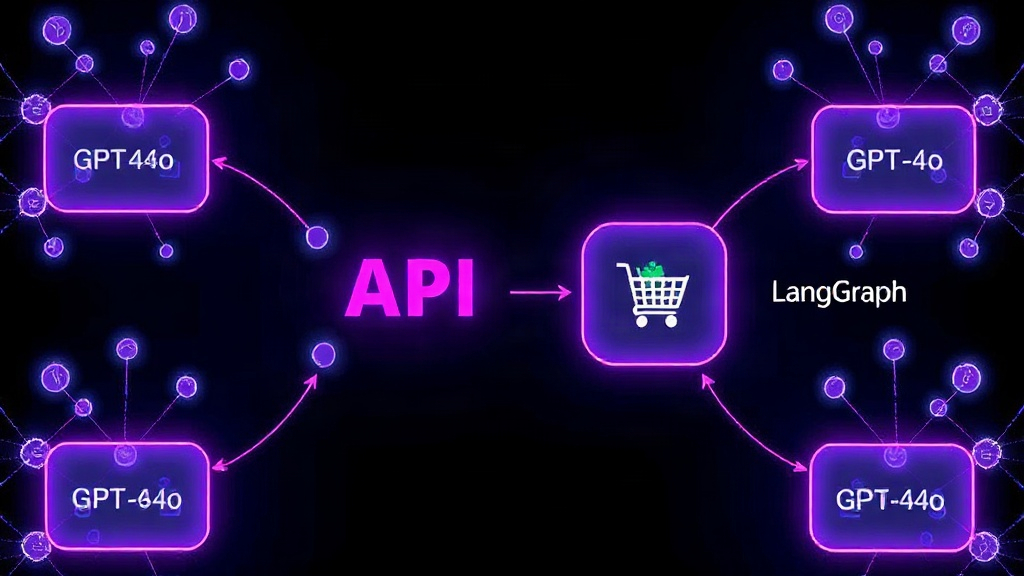
The agent's workflow can be broken down into several key stages, managed by LangGraph:
1. Data Ingestion and Analysis
The process begins with the agent receiving input. This can include images of the user's refrigerator, continuous glucose monitor (CGM) data, and user-defined dietary goals or preferences. GPT-4o Vision processes the refrigerator images, identifying all visible food items. Simultaneously, CGM data is analyzed to understand the user's current metabolic state and nutritional needs. User preferences, such as allergies, disliked foods, or specific health objectives (e.g., high protein, low carb), are also loaded into the agent's state.
2. Nutritional Assessment and Meal Planning
With the available ingredients and health data in hand, the agent performs a nutritional assessment. It determines what meals can be prepared with the current inventory, considering the user's health goals. If the current inventory is insufficient or unbalanced, the agent identifies missing components required to create a nutritionally sound meal plan for a specified period (e.g., the next few days). This step involves sophisticated reasoning about food pairings, nutritional values, and dietary restrictions.
3. Grocery List Generation
Based on the identified gaps in the meal plan, the agent automatically generates a grocery list. This list is not merely a dump of ingredients but a curated selection designed to complement the existing refrigerator contents and fulfill the nutritional objectives. The agent prioritizes items that are versatile and align with the user's overall dietary strategy.
4. API Integration and Ordering
The generated grocery list is then passed to the Instacart API via OpenAI Function Calling. The agent maps the identified food items to their equivalents on Instacart, considering brand preferences or common substitutions. It then initiates the ordering process, potentially allowing for user confirmation before finalizing the purchase. This direct integration automates the entire process from fridge analysis to grocery delivery, minimizing user intervention.
State Management and Multimodal Feedback Loops
LangGraph's ability to manage state is critical here. The agent's state includes not just the current inventory and meal plan, but also historical data, user feedback on previous orders, and evolving health metrics. This persistent state allows the agent to learn and adapt over time. For instance, if a user consistently skips a particular type of vegetable, the agent can learn to avoid ordering it in the future or prompt for clarification. The multimodal feedback loop is closed when the agent receives new visual data (e.g., the newly delivered groceries) or updated health data, allowing it to refine its next actions.
The agent is designed to handle complex decision trees. For example, if the user has both CGM data indicating a need for carbohydrates and a visual of pasta in the fridge, the agent might decide to order a specific type of sauce to make a balanced pasta dish, rather than just ordering more pasta. This level of context-aware decision-making is enabled by the combination of LangGraph's orchestration and GPT-4o's reasoning capabilities.
Future Implications and Unanswered Questions
This project demonstrates a powerful paradigm shift in how AI can be applied to personal wellness and daily task automation. By moving beyond passive advice to active intervention, such agents can significantly reduce the cognitive load associated with healthy living. The integration of vision, health data, and transactional APIs opens doors to highly personalized and responsive wellness solutions.
However, several questions remain. What are the long-term implications for user autonomy and dietary habits when grocery shopping is entirely automated? How can we ensure robust data privacy and security when sensitive health information and purchasing habits are being processed? Furthermore, while GPT-4o offers impressive multimodal understanding, the nuances of food spoilage detection from images and the dynamic nature of grocery store inventory present ongoing challenges for achieving perfect accuracy. The ethical considerations of AI influencing dietary choices, even indirectly through automated shopping, also warrant deeper discussion.