
The AI Investment Rush Meets Human Reality
Companies across sectors have spent heavily on artificial intelligence, acquiring sophisticated tools and platforms. Yet, a critical bottleneck has emerged: the lack of trained personnel to effectively implement, manage, and leverage these AI systems. This isn't a problem confined to niche industries; it's a systemic challenge impacting everything from enterprise software to creative workflows. The initial fervor around AI acquisition is now colliding with the stark reality of workforce preparedness. Without skilled individuals, these powerful AI investments risk becoming expensive, underutilized assets.
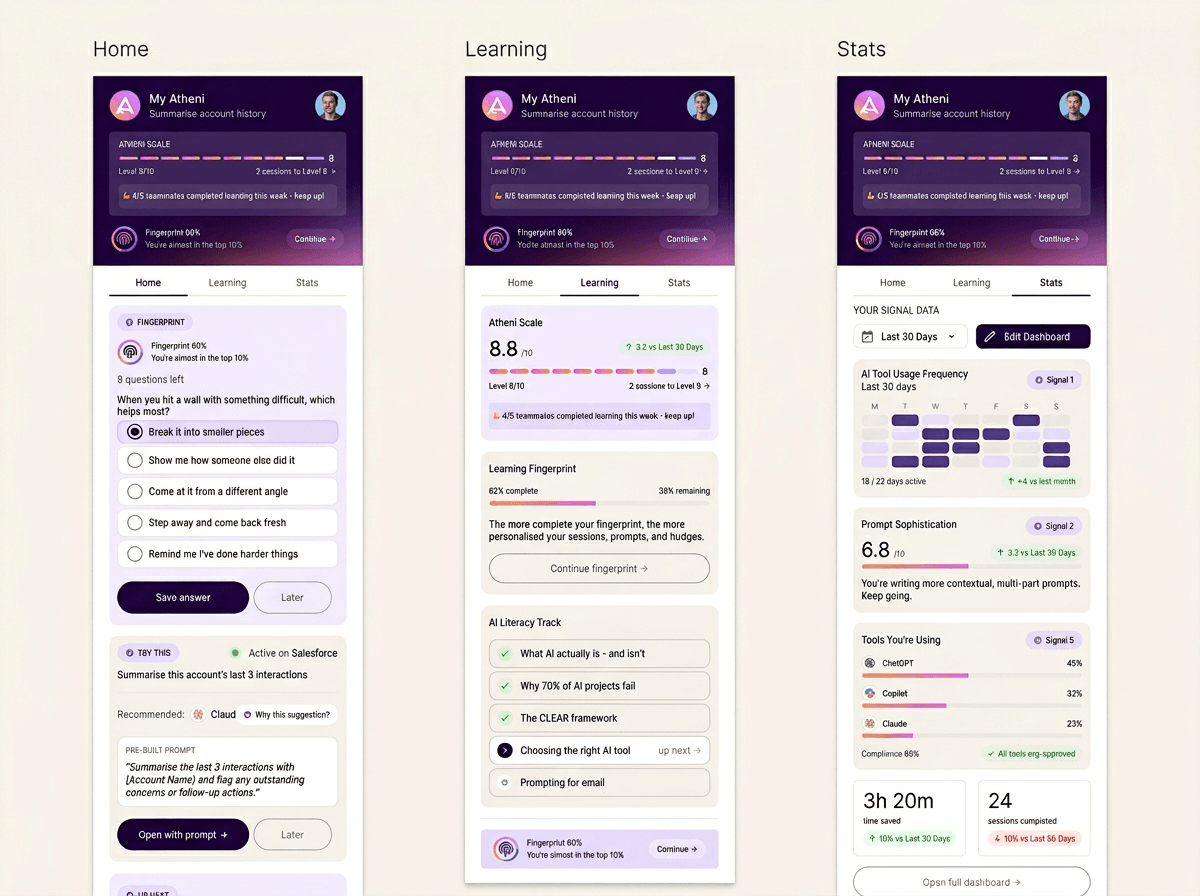
Louise Ballard, co-founder and CEO of Atheni AI, articulates this challenge clearly: "As AI becomes embedded across every profession, we don't want to create a... situation where people are left behind." This sentiment underscores a growing concern that the rapid deployment of AI technologies could exacerbate existing inequalities if the workforce isn't equipped with the necessary digital literacy and AI-specific skills. The focus has shifted from simply buying AI solutions to cultivating the human capital required to unlock their true potential. This requires a multi-faceted approach, involving reskilling existing employees, hiring new talent with specialized AI expertise, and fostering a culture of continuous learning and adaptation.
Bridging the Gap: From Acquisition to Application
The core issue is not the AI technology itself, but the human element required for its successful integration. Many organizations assumed that AI tools would be intuitive or that existing staff could adapt quickly. This proved to be an optimistic, often erroneous, assumption. The complexity of AI, from understanding its underlying principles to mastering its application in specific business contexts, demands dedicated training and development.
Consider the education sector, a prime example of this dynamic. A recent discussion on Reddit highlights the user's query: "How do you use AI in your teaching or learning? When it comes to editing and finalizing texts, do you prefer AI tools, or do you believe a real human editor is still a first-class and indispensable tool?" This question, posed by u/Emergency-Sound87, reveals a fundamental tension. While AI tools can automate certain tasks, like initial drafts or grammar checks, the nuanced judgment and critical thinking of human editors remain invaluable, especially in educational contexts where accuracy, clarity, and pedagogical effectiveness are paramount.
The challenge extends beyond education. In marketing, AI can generate campaign copy, but a human strategist is needed to define the campaign's goals, target audience, and brand voice. In software development, AI can write code snippets, but experienced engineers are essential for architectural design, complex debugging, and ensuring code quality and security. In data science, AI can analyze vast datasets, but human analysts are crucial for interpreting results, identifying biases, and translating insights into actionable business strategies.

The Imperative of Upskilling and Reskilling
To overcome this adoption hurdle, organizations must prioritize upskilling and reskilling initiatives. This isn't merely about teaching employees how to operate new software; it's about fostering a deeper understanding of AI's capabilities and limitations. Training programs need to cover:
- AI Literacy: Foundational knowledge of AI concepts, machine learning principles, and common AI applications.
- Tool-Specific Proficiency: Hands-on training with the specific AI platforms and tools the company has invested in.
- Prompt Engineering: Developing the skill to craft effective prompts that elicit desired outputs from AI models, a critical skill for generative AI tools.
- Ethical AI Use: Understanding the ethical implications of AI, including bias, privacy, and responsible deployment.
- Human-AI Collaboration: Learning how to work alongside AI, leveraging its strengths while compensating for its weaknesses.
Companies that successfully navigate this transition will be those that view AI not just as a technological acquisition, but as a strategic catalyst for workforce transformation. This requires commitment from leadership, investment in training resources, and a willingness to adapt organizational structures and processes to accommodate AI integration. Without this focus on human capital, the substantial investments made in AI technology will yield diminishing returns, leaving organizations behind their more prepared competitors.
The Future: A Symbiotic Relationship
The ultimate goal is not to replace human workers with AI, but to create a symbiotic relationship where AI augments human capabilities. This future requires a proactive approach to workforce development. Companies that invest in their people, equipping them with the skills to thrive in an AI-augmented world, will be best positioned to harness the transformative power of artificial intelligence. The question is no longer *if* companies should adopt AI, but *how* they can ensure their workforce is ready to make it a success. The AI has been bought; now the real work of integration and application begins.