The Scarcity Driving Innovation

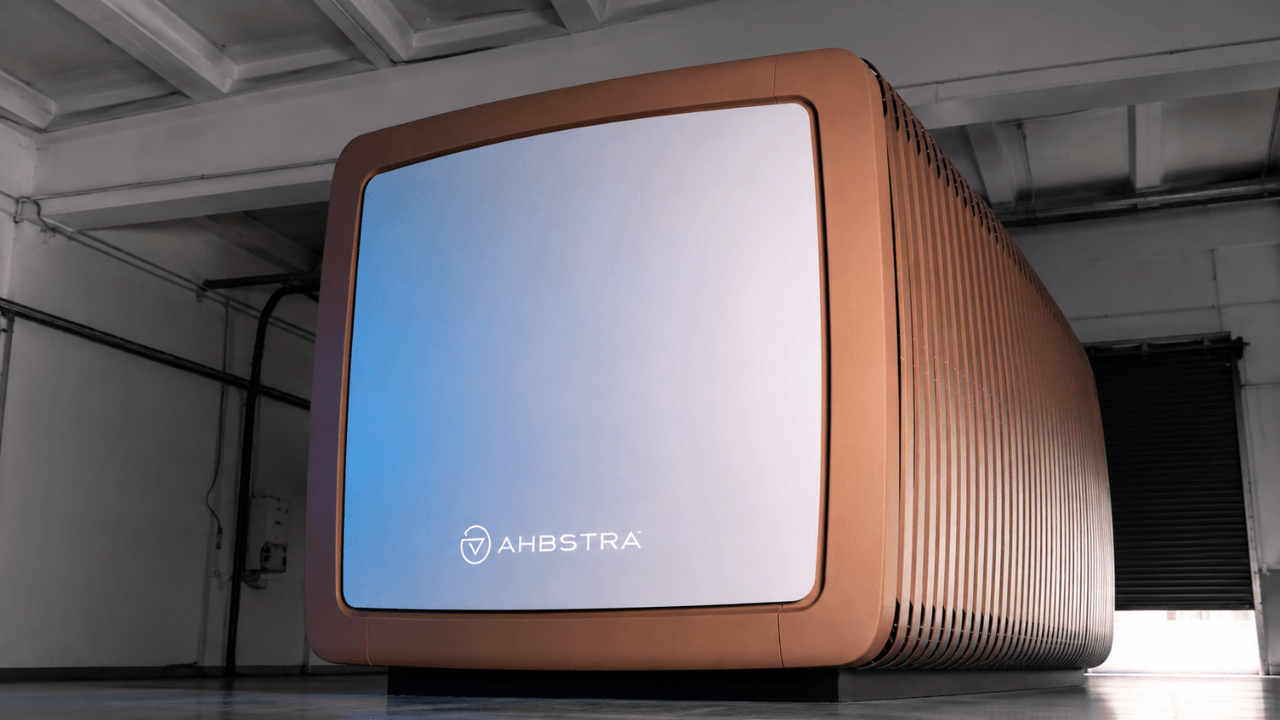
The Mediterranean region is grappling with an unprecedented water crisis this summer. Reports indicate that approximately 30 percent of the population faces permanent water stress, a situation that has led to numerous states of emergency across Southern European countries. Traditional water sources, from rivers to wells, are diminishing at an alarming rate, pushing communities and industries to the brink. This escalating scarcity highlights the urgent need for novel solutions that can decouple water access from traditional, often strained, natural resources. In this critical context, a European startup named Ahbstra has emerged with a potentially vital technology: a machine designed to produce drinking water directly from the air. The company’s announcement comes at a time when the impact of climate change on water availability is becoming starkly evident, making such innovations not just desirable but essential for resilience.

Ahbstra's Atmospheric Water Generation Technology

Ahbstra’s core product leverages atmospheric water generation (AWG) technology. While AWG systems are not entirely new, Ahbstra claims its machine offers significant improvements in efficiency and scalability, making it a viable solution for both individual households and larger community needs. The fundamental principle involves drawing in ambient air, cooling it to a temperature below its dew point, and condensing the water vapor into liquid form. This collected water is then filtered and purified to meet drinking water standards. Think of it less like a desalination plant, which tackles salty ocean water, and more like a highly efficient dehumidifier that specifically targets potable water. The machine’s design reportedly focuses on minimizing energy consumption, a crucial factor for widespread adoption, especially in regions where energy infrastructure might also be stressed. Details on the specific thermodynamics and materials science behind Ahbstra’s efficiency claims are not yet public, but the company suggests their proprietary approach allows for greater water output with less energy input compared to existing AWG technologies.
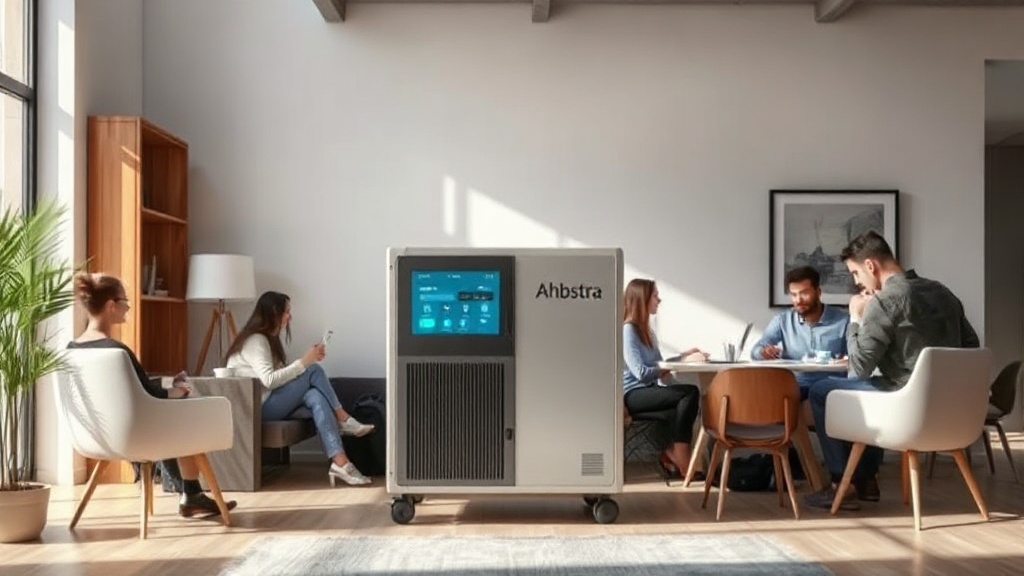
Ahbstra's air-to-water generator unit shown in a domestic setting
The company has not disclosed the exact capacity of its initial models, but its stated goal is to provide a decentralized water source that can alleviate pressure on municipal water supplies. This approach could be particularly impactful for remote communities, drought-stricken agricultural areas, or even urban environments experiencing acute shortages. The ability to generate water on-site, independent of complex and vulnerable distribution networks, offers a significant advantage in disaster preparedness and long-term water security.

Market Context and Future Implications

The launch comes at a time when investment in water technology is gaining momentum. Startups and established companies are exploring a range of solutions, including advanced filtration, smart water management systems, and, increasingly, AWG. However, the historical challenge for AWG has been its energy intensity and cost-effectiveness, often making it more expensive than traditional water sources. Ahbstra's success will hinge on its ability to overcome these economic barriers and demonstrate a clear return on investment for users. The company’s focus on the Mediterranean region for its initial rollout is strategic. The area is a bellwether for global water scarcity issues, driven by a combination of climate change, increasing demand, and inefficient water management. If Ahbstra’s technology proves effective and affordable here, it could serve as a blueprint for deployment in other similarly affected regions worldwide, from parts of Africa and the Middle East to arid areas in North and South America. What remains to be seen is the long-term operational cost of these machines in diverse climatic conditions. While they are designed to extract water from air, the efficiency of condensation is directly related to ambient humidity levels. Arid environments with very low humidity might present a greater challenge for these devices, potentially limiting their applicability in the most water-stressed desert regions. Ahbstra will need to provide detailed performance data across a range of humidity and temperature profiles to substantiate its claims of broad applicability. The company’s announcement did not include specific pricing or availability details for its machines, nor did it name any pilot projects or initial customers. This information will be critical for assessing the practical impact and market reception of Ahbstra’s innovation. However, the very existence of such a product, entering the market precisely when and where it is most needed, signals a growing technological response to one of humanity's most fundamental challenges.