Adata Urban Tapsafe 2TB: A New Breed of Portable Security
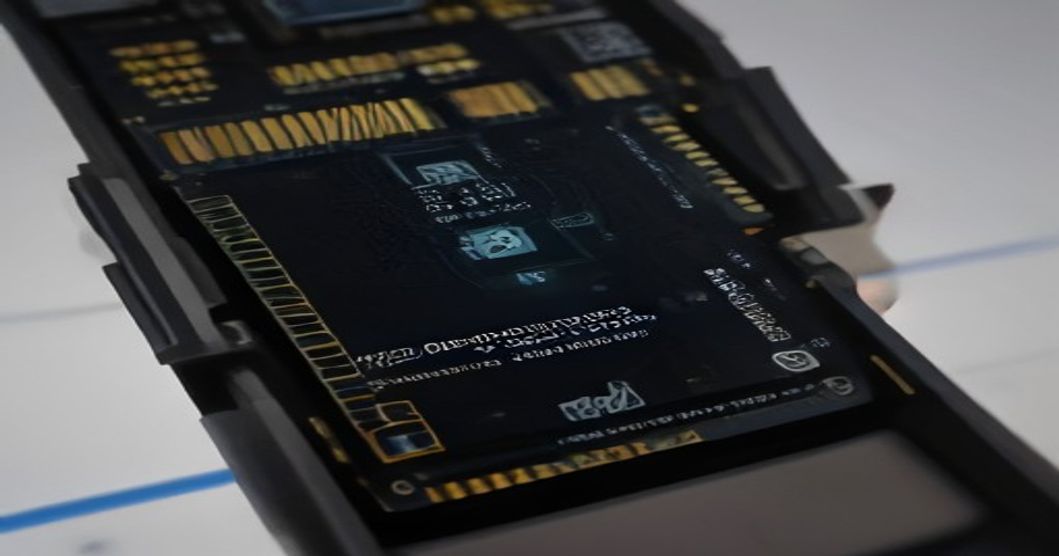
The Adata Urban Tapsafe 2TB enters the crowded portable SSD market with a distinct focus on security and user-friendly access. Unlike traditional drives that rely on passwords or fingerprint scanners, the Tapsafe leverages your smartphone for unlocking and managing access. This approach aims to simplify secure data handling for professionals and individuals who need to carry sensitive information without the hassle of remembering complex passwords or dealing with unreliable hardware readers. The drive itself is built with a rugged metal casing and includes a magnetic mounting clip, suggesting it's designed for real-world use, not just a desk. At its core, the Tapsafe is a 2TB NVMe SSD encased in a durable shell. Adata claims sequential read/write speeds of up to 1,055 MB/s and 955 MB/s, respectively, which are competitive for a USB 3.2 Gen 2 drive. This performance means it can handle large file transfers, video editing, and other demanding tasks with ease, making it a practical choice for content creators and mobile professionals. The real innovation, however, lies in its security features, managed through the Adata Tapsafe app.Unlocking and Access Management
The primary method of unlocking the Tapsafe is via Near Field Communication (NFC) with your smartphone. Simply tap your NFC-enabled phone to the drive, and the app handles the authentication, granting you access to the encrypted data. This process is remarkably quick and intuitive, eliminating the need to type passwords or use physical keys. For users without NFC, the app also supports a password-based unlock, though the NFC method is clearly the intended and most seamless experience. Beyond personal access, the Tapsafe app allows for selective sharing of files and folders. You can grant temporary or permanent access to specific data on the drive to other Tapsafe users. This feature is particularly useful for collaboration, allowing teams to share project files securely without needing to upload them to a cloud service or risk sending unencrypted data. The granular control over who can access what, and for how long, adds a layer of security and convenience for shared workflows.