a16z's European Ambitions: A Strategic Shift
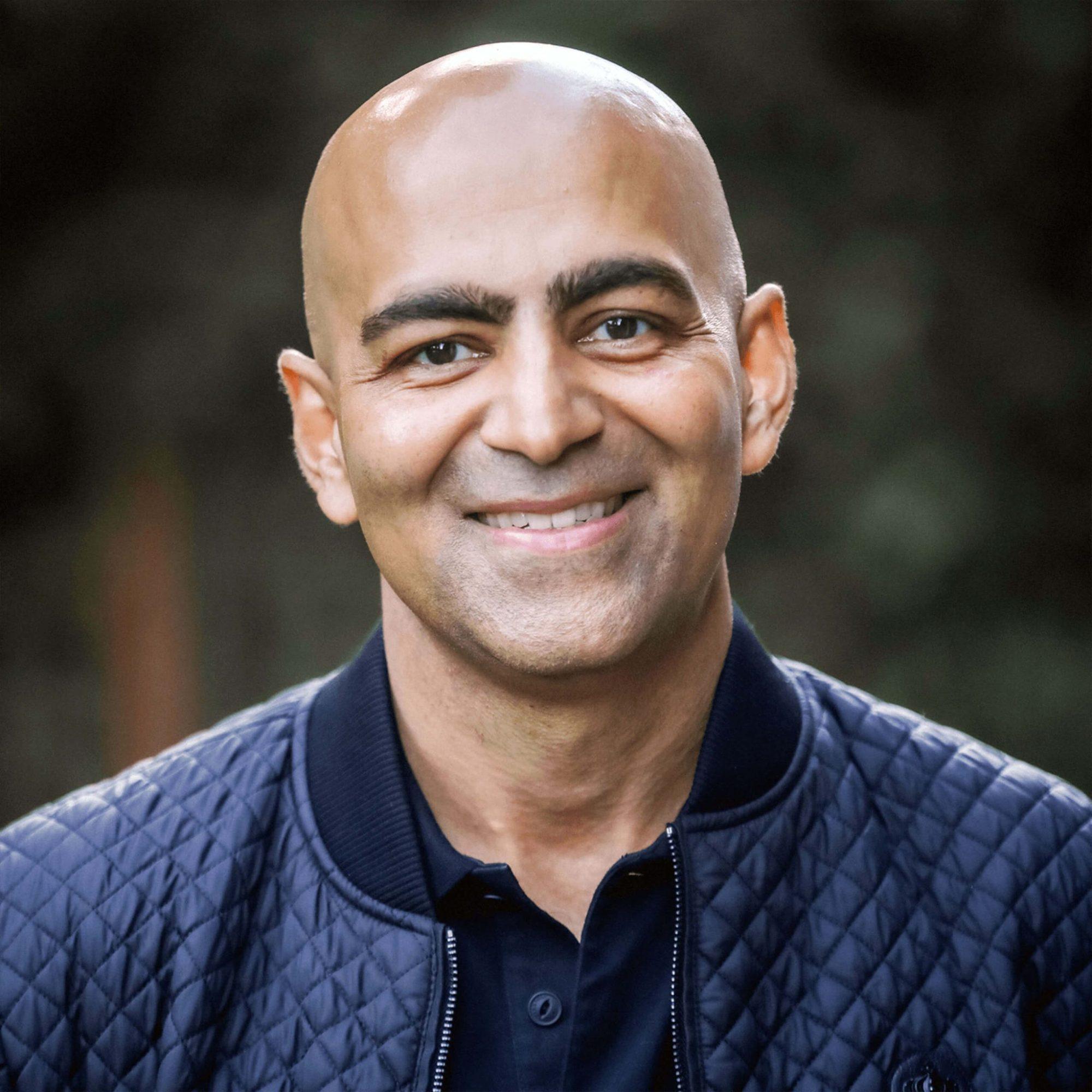
The European tech scene is often framed as a distinct entity, locked in a perpetual comparison with its US counterpart. Amidst this narrative, Andreessen Horowitz (a16z), a powerhouse venture capital firm, is signaling a clear intention to increase its investment in European startups. However, this strategic pivot does not include an immediate reopening of its European office. Jeff Weinstein, a general partner at a16z, clarified that while the firm is actively seeking opportunities across the Atlantic, their operational model will continue to lean heavily on remote engagement, a strategy honed during the pandemic.
Weinstein emphasized that a16z's approach is not about replicating its Silicon Valley model in Europe. Instead, the focus is on identifying and backing exceptional founders, irrespective of their geographic location. The firm's investment thesis remains consistent: finding companies with strong product-market fit and ambitious visions. This means that while the firm is keen to deploy capital into the European ecosystem, the day-to-day engagement will likely remain virtual. This stance challenges the notion that significant VC investment necessitates a physical presence on the ground, suggesting a broader trend towards distributed venture capital operations.

The Rationale Behind the Remote Approach
The decision to forgo a physical European office is rooted in a pragmatic assessment of a16z's operational strengths and the evolving nature of venture capital. Weinstein pointed out that the firm has already made successful investments in Europe without a dedicated office, citing examples like the Danish AI company Pleo and the French fintech startup Qonto. These investments, made through remote due diligence and ongoing support, demonstrate the viability of their model. The firm views its ability to invest globally without the overhead of multiple physical offices as a competitive advantage, allowing for greater flexibility and a wider reach.
Furthermore, a16z believes that many European founders are already accustomed to working with distributed teams and engaging with investors remotely. The firm's existing portfolio companies, including those based in Europe, have largely adapted to this mode of operation. This suggests that the perceived barrier of a lack of physical presence might be less significant than commonly assumed. The firm's focus remains on the substance of the business and the quality of the founding team, rather than the location of its own offices.
Beyond AI: Diverse Investment Areas
While artificial intelligence is a significant area of interest for a16z globally, the firm's European investment strategy is not confined to AI alone. Weinstein indicated that a16z is looking at a broad spectrum of sectors, including consumer technology, enterprise software, and fintech. This diverse approach reflects the varied strengths and emerging trends within the European startup landscape. The firm is particularly interested in companies that are building foundational technologies or addressing significant market needs, viewing these as areas with high potential for growth and impact.
The firm's interest extends to areas where European innovation is particularly strong, such as deep tech and specific niches within AI. However, they are also open to disruptive consumer-facing businesses. The key criterion remains the strength of the founding team and their ability to execute on their vision. a16z's global perspective allows them to identify opportunities that might be overlooked by more regionally focused VCs, bringing a different set of insights and capital to the European market.
The Future of Distributed Venture Capital
a16z's stance on its European presence signals a broader shift in the venture capital industry. The success of remote operations during the pandemic has proven that geographical boundaries are increasingly irrelevant for deal sourcing, due diligence, and portfolio management. For founders, this means that access to top-tier venture capital is no longer exclusively tied to proximity to major tech hubs. This democratization of capital access could have a profound impact on innovation ecosystems worldwide.
The firm's strategy also raises questions about the long-term role of physical VC offices. While they offer networking opportunities and a centralized point of contact, they also represent significant overhead. a16z's continued success with a distributed model suggests that other firms may follow suit, further flattening the global venture capital landscape. The challenge for founders will be to build strong relationships and effectively communicate their vision in a remote-first environment. For a16z, the focus remains on identifying exceptional talent and providing the resources and support needed for them to succeed, wherever they may be.