
AI-Powered SaaS Feedback Analysis
At just 13 years old, a developer has launched FeedbackAI, a project that merges Large Language Models (LLMs) with product management principles. The platform aims to provide B2B SaaS companies with an automated way to process and understand user feedback, transforming raw comments into actionable insights. This initiative showcases a sophisticated application of AI for a common business challenge: managing and deriving value from customer input.
The core of FeedbackAI lies in its AI engine, designed to ingest unstructured user feedback and automatically categorize it. For instance, a comment like "The mobile app is loading extremely slow on my phone" is not just logged; it's analyzed to extract key information. The AI identifies the Category (e.g., Performance), assigns a Priority (e.g., High), and generates a concise Summary (e.g., "Improve mobile speed"). This structured output is crucial for product teams who often struggle with the sheer volume of feedback they receive.
Clustering and Global Recommendations
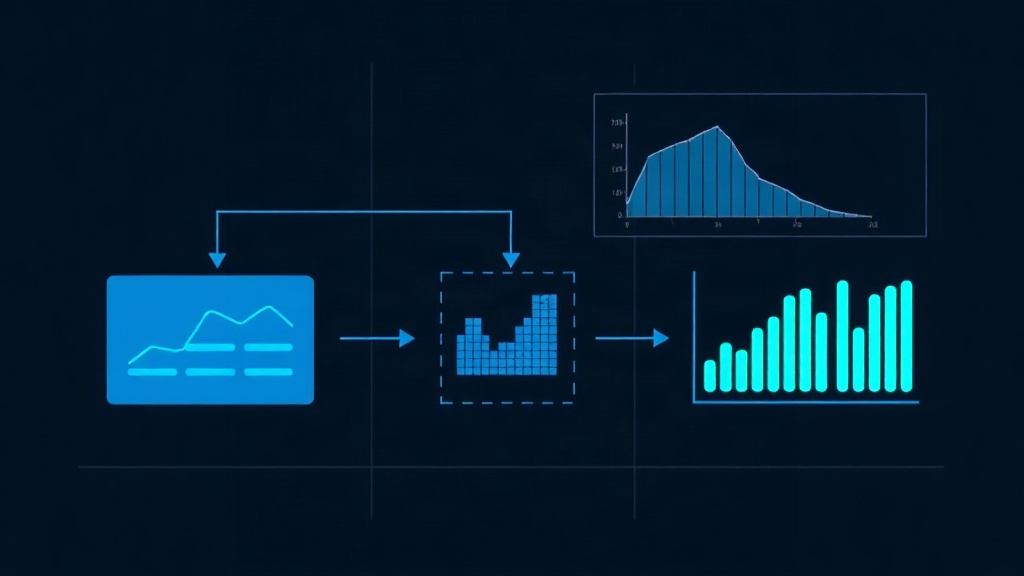
Beyond individual comment analysis, FeedbackAI's AI engine is capable of clustering similar feedback points. This feature allows product teams to identify recurring issues or popular feature requests across their user base. Instead of sifting through hundreds of similar comments, teams can see consolidated data, highlighting overarching themes and enabling them to make more informed decisions about product roadmaps. The platform aims to aggregate these clustered insights into global recommendations, providing a high-level overview of what the user base collectively desires or struggles with.
The developer acknowledges that this is a non-commercial validation project, emphasizing their ongoing learning process. Currently, the application is live but password-protected to manage resource consumption, particularly OpenAI credits. The bypass code, BETA2026, grants access to the live demo. This approach highlights the practical challenges of deploying AI models, even for a project focused on learning and validation.
The integration of LLMs for parsing and summarizing text is a powerful application. For B2B SaaS companies, feedback is a critical driver of product development and customer retention. Manually analyzing this feedback is time-consuming and prone to human bias. An AI-driven dashboard like FeedbackAI can significantly streamline this process, enabling faster iteration cycles and more responsive product strategies. The ability to automatically assign categories and priorities also helps in triaging issues, ensuring that critical problems are addressed promptly.
The Future of Product Management with AI
The development of FeedbackAI by such a young individual points to a broader trend: the democratization of advanced AI tools and their application in practical business scenarios. As LLMs become more accessible and powerful, we can expect to see more innovative solutions emerging from developers of all ages and backgrounds. This project serves as a compelling example of how AI can be leveraged to solve real-world problems in product management, offering a glimpse into the future of how companies will interact with and act upon customer feedback.
The current implementation focuses on text-based feedback. Future iterations could potentially incorporate sentiment analysis to gauge the emotional tone of feedback, or even analyze support ticket data and forum discussions to provide a more holistic view of customer sentiment and product performance. The clustering algorithm is key here; its effectiveness in grouping semantically similar feedback will determine the quality of the "global recommendations" it can offer. A robust clustering mechanism would be akin to having a tireless, unbiased product analyst on staff.
The developer's motivation stems from a desire to combine AI capabilities with product management needs, a domain often seen as separate from core AI development. This cross-disciplinary approach is vital for creating tools that are not only technically advanced but also genuinely useful to end-users. The temporary name, FeedbackAI, suggests a focus on the core function, and the project's success in parsing and categorizing complex feedback indicates a strong foundation. The decision to keep it password-protected initially is a pragmatic step for a student project managing costs, but it also implies a readiness for wider testing and potential future commercialization.
What remains to be seen is how scalable FeedbackAI's engine is when faced with a massive influx of diverse feedback types and languages. While the current demonstration offers a solid proof of concept, real-world B2B SaaS platforms often deal with millions of data points. The accuracy of the AI's categorization and summarization, especially for nuanced or domain-specific feedback, will be a critical factor in its long-term adoption. Furthermore, integrating such a tool seamlessly into existing product management workflows, such as Jira or Trello, would enhance its utility significantly.
This project is a testament to the power of accessible AI tools and the ingenuity of young developers. It tackles a significant pain point for many SaaS businesses, offering a streamlined, AI-driven approach to understanding what customers truly need and want. The technical execution, particularly the parsing and clustering of feedback, demonstrates a strong grasp of LLM capabilities applied to a practical business problem.